

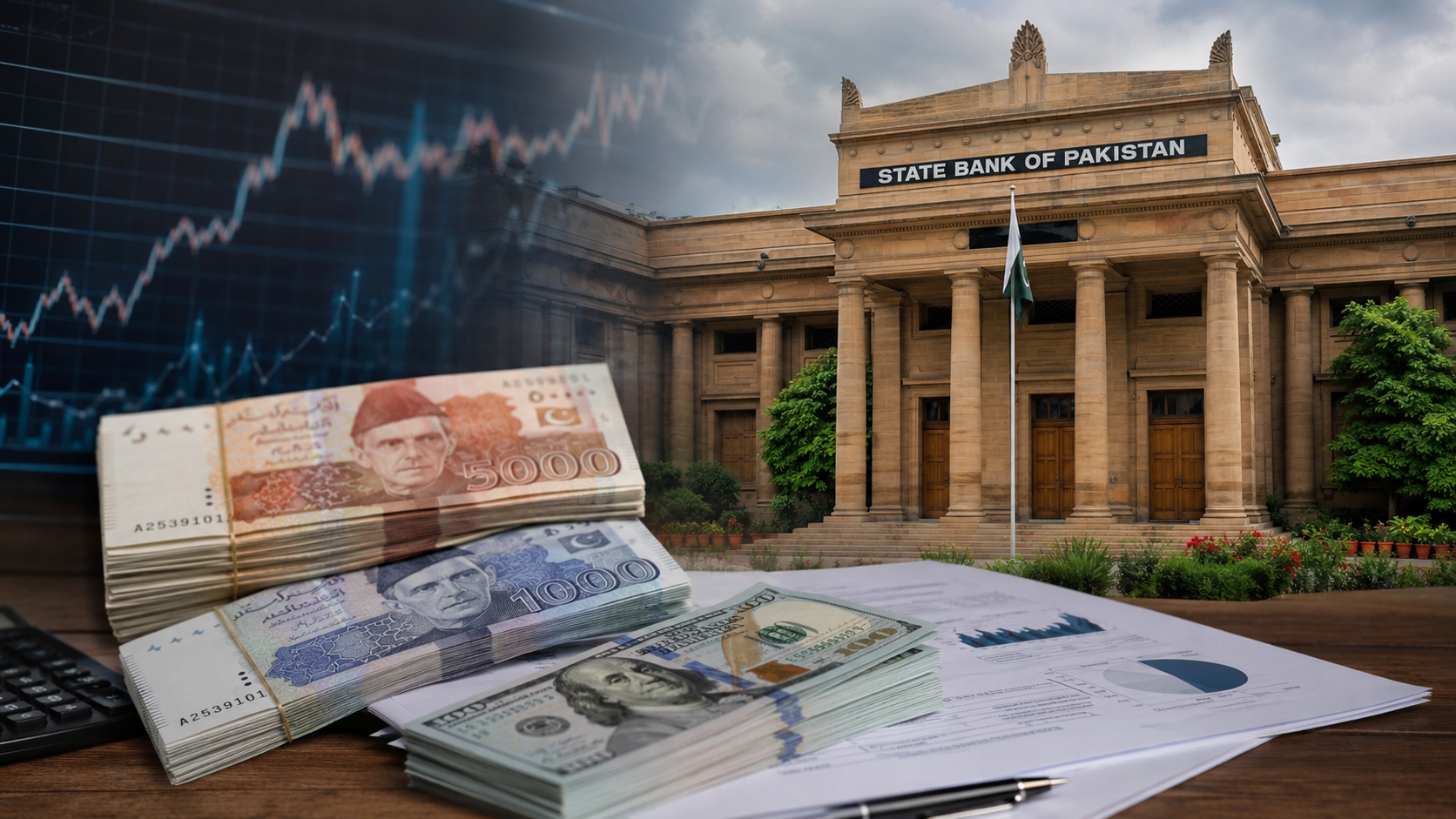
The IMF $1.32 billion Pakistan 2026 disbursement was approved by the IMF Executive Board late Friday, Bloomberg reported 9 hours ago. This includes $1.1 billion under the Extended Fund Facility and $220 million for climate resilience. While headlines focus on the amount, the IMF $1.32 billion Pakistan 2026 approval is tied to strict conditions and comes during a critical week for Pakistan’s security and diplomacy. Here’s a full breakdown of what it means for your wallet, the rupee, and Pakistan’s 2026 outlook.
Thank you for reading this post, don't forget to subscribe!What Was Approved: IMF $1.32 Billion Pakistan 2026 Breakdown
Bloomberg confirmed the IMF Board completed the second review of Pakistan’s $7 billion EFF program signed in 2024. The IMF $1.32 billion Pakistan 2026 release brings total disbursements to $3.2 billion since July 2024. 1. EFF Tranche: $1.1 Billion — For budget support, SBP reserves, and debt payments. This will take Pakistan’s foreign reserves to $11.8 billion, covering 2.5 months of imports. 2. RST Tranche: $220 Million — Under the Resilience and Sustainability Trust for climate projects like flood defenses and solar transitions.
1. 5 IMF Conditions Pakistan Met for IMF $1.32 Billion Pakistan 2026
To unlock the IMF $1.32 billion Pakistan 2026, Islamabad agreed to: 1. Energy Price Hike: Electricity base tariff raised by Rs 5/unit in April 2026. Gas prices up 12%. 2. Tax Reforms: GST on fuel reinstated at 18%, retailers and real estate brought into tax net. 3. Market-Based Rupee: SBP allowed more flexibility; rupee slipped to 282/$ this week. 4. State-Owned Enterprise Reforms: PIA privatization bids due June 2026. 5. Anti-Corruption Framework: New asset declaration law for public officials passed.
2. Why Timing Matters: Marka-e-Haq Week & IMF Confidence
The IMF $1.32 billion Pakistan 2026 approval came during the same week Pakistan marked Marka-e-Haq one year and Bunyan-um-Marsoos Day. Analysts say political stability and “security narrative” helped convince the IMF Board that Pakistan can implement reforms without unrest. IMF documents in 2024 cited “civil-military alignment” as key for program success.
3. What Happens to Petrol, Dollar, and Inflation Now
Petrol Prices: Expect Rs 8-12/liter increase by May 15 as GST and petroleum levy adjust. Rupee: SBP may intervene less. Short-term pressure to 285/$, but IMF $1.32 billion Pakistan 2026 inflows should stabilize it by June. Inflation: CPI likely to stay 21-23% till July, then ease if oil prices drop and US-Iran peace deal cuts import costs.
Roundup: 3 Other Economic Moves This Week
1. Saudi $2 Billion Deposit Rollover
Riyadh extended its $2B deposit in SBP for 1 more year. Combined with IMF $1.32 billion Pakistan 2026, this gives Pakistan breathing room before $24B debt payments due FY27.
2. PSX Crosses 72,000 on IMF News
Pakistan Stock Exchange gained 1,200 points Friday as investors welcomed the IMF approval. Banking and energy stocks led the rally.
3. World Bank $400M for Floods
Separate from IMF, World Bank approved $400M for 2022 flood recovery. The IMF $1.32 billion Pakistan 2026 RST portion will complement this for climate work.
Analysis: 3 Risks After IMF $1.32 Billion Pakistan 2026 Approval
1. Public Backlash Risk
Power and petrol hikes will hit consumers before Eid-ul-Azha. The government is using Marka-e-Haq tributes to build “sacrifice for stability” narrative, but protests are possible in June.
2. Election-Year Spending Pressure
2026 is pre-election year. IMF wants fiscal discipline, but political parties will demand subsidies. The IMF $1.32 billion Pakistan 2026 deal could face review delays if budget 2026-27 misses targets.
3. US-Iran Deal Wildcard
If the US-Iran peace deal 2026 happens, oil drops and Pakistan saves $3B yearly. If it fails, oil spikes and IMF targets become harder. Pakistan’s IMF future is partly tied to Tehran talks.
Final Take: Breathing Room, Not Freedom
The IMF $1.32 billion Pakistan 2026 approval prevents default and stabilizes reserves. But it’s not free money — each dollar comes with reforms that will hurt short-term. Pakistan’s challenge is to use this IMF breathing room + defense stability + Iran diplomacy to attract FDI and exports. If not, we’ll be back at IMF door in 2027. Will petrol prices cross Rs 300 after this IMF tranche? Share your view. Sources: Original reporting by Bloomberg, IMF, SBP. Related: Marka-e-Haq Security Context and US-Iran Peace Deal Impact.