
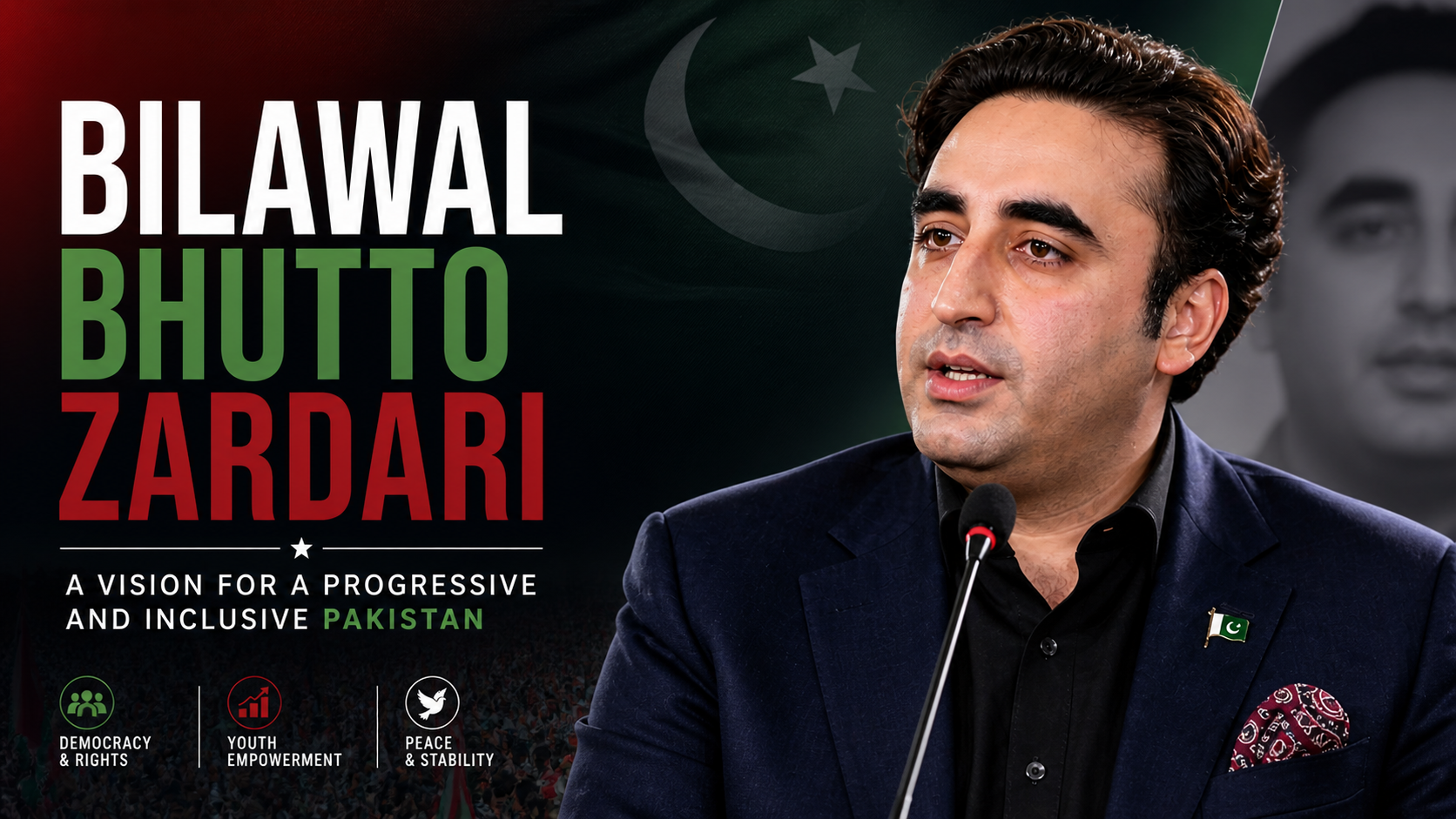
ISLAMABAD: Bilawal Bhutto Iran US diplomacy remains the only solution for regional peace, says PPP Chairman. Pakistan Peoples Party Chairman Bilawal Bhutto Zardari has said that dialogue and diplomacy remain the only effective means to ease tensions in the region, urging all sides to avoid further escalation between Iran and the United States.
Speaking in an interview with a British media outlet, Bilawal stressed that war cannot resolve complex disputes and warned that continued hostilities would only deepen instability. He remarked that implementing a ceasefire anywhere in the world is a difficult task, and sustaining it requires commitment and cooperation from all parties involved.
Importance of Diplomatic Engagement
He underscored the importance of consistent diplomatic engagement to defuse tensions, noting that constructive dialogue is essential to prevent misunderstandings from spiraling into wider conflict. According to him, certain recent developments, including the return of Iranian officials, signal encouraging diplomatic movement.
Economic Fallout of the Crisis PPP Chairman
Bilawal also highlighted the broader economic implications of the crisis, saying that disruptions to oil supplies are contributing to rising global inflation. He added that Pakistan remains in communication with relevant stakeholders and is supporting measures aimed at building trust and reducing friction.
Warning Against Military Escalation
Condemning recent attacks in the region, he cautioned that aggressive actions by any side could jeopardize fragile ceasefire efforts. While acknowledging that some steps taken by Iran have added to regional strain, he maintained that military solutions are not the answer.
Criticising Washington’s “Operation Freedom” approach, PPP Chairman Bilawal warned that increased military activity, particularly in the Strait of Hormuz, risks further complicating an already delicate situation. He expressed optimism that renewed diplomatic efforts between Tehran and Washington could pave the way for lasting stability in the near future.
Background of Iran-US TensionsThe tensions between Iran and the United States have persisted for decades, intensifying after the US withdrawal from the Joint Comprehensive Plan of Action in 2018. Recent escalations in the Strait of Hormuz, a critical chokepoint for global oil supply, have raised alarms worldwide. Military presence from both sides has increased, with incidents of drone strikes and naval confrontations reported in 2024 and 2025. Bilawal Bhutto Iran US diplomacy stance comes at a time when regional stakeholders including Pakistan, China, and Gulf states are pushing for de-escalation.Pakistan’s Role in Regional StabilityPakistan has historically maintained balanced relations with both Iran and the United States. As a neighboring country to Iran and a key US ally in South Asia, Islamabad often plays a mediating role. The Foreign Office has repeatedly called for restraint and peaceful resolution of disputes. Pakistan People’s party Chairman Bilawal Bhutto Zardari has been vocal about avoiding military conflict, emphasizing that Pakistan cannot afford another war in the neighborhood. Economic challenges, including inflation and energy crises, make regional peace a top priority for Pakistan’s foreign policy.Global Reaction to Bilawal’s StatementPolitical analysts believe Bilawal Bhutto Iran US diplomacy remarks align with broader international calls for dialogue. The United Nations and European Union have also urged Tehran and Washington to return to negotiations. Experts warn that any disruption in the Strait of Hormuz could spike oil prices above $120 per barrel, directly impacting countries like Pakistan. Diplomatic channels, including backdoor talks in Oman and Qatar, are reportedly active. Bilawal’s emphasis on ceasefire commitment reflects growing concern in South Asia over the spillover effects of Middle East conflicts.
Pakistan’s Diplomatic Position on Iran-US ConflictForeign policy experts suggest that Pakistan’s stance on the Iran-US conflict has remained consistent over the past decade. The Ministry of Foreign Affairs has repeatedly emphasized neutrality while advocating for dialogue through platforms like the OIC and UN Security Council. Bilawal Bhutto Iran US diplomacy remarks reflect the PPP’s long-standing position that regional conflicts should be resolved through negotiations, not military action. Pakistan shares a 909-km border with Iran and maintains significant trade ties, making stability crucial. Any escalation in the Persian Gulf directly impacts Pakistan’s economy, especially oil imports and remittances from Gulf countries. The recent visit of Iranian President to Islamabad also highlighted mutual cooperation on border security and counter-terrorism.