

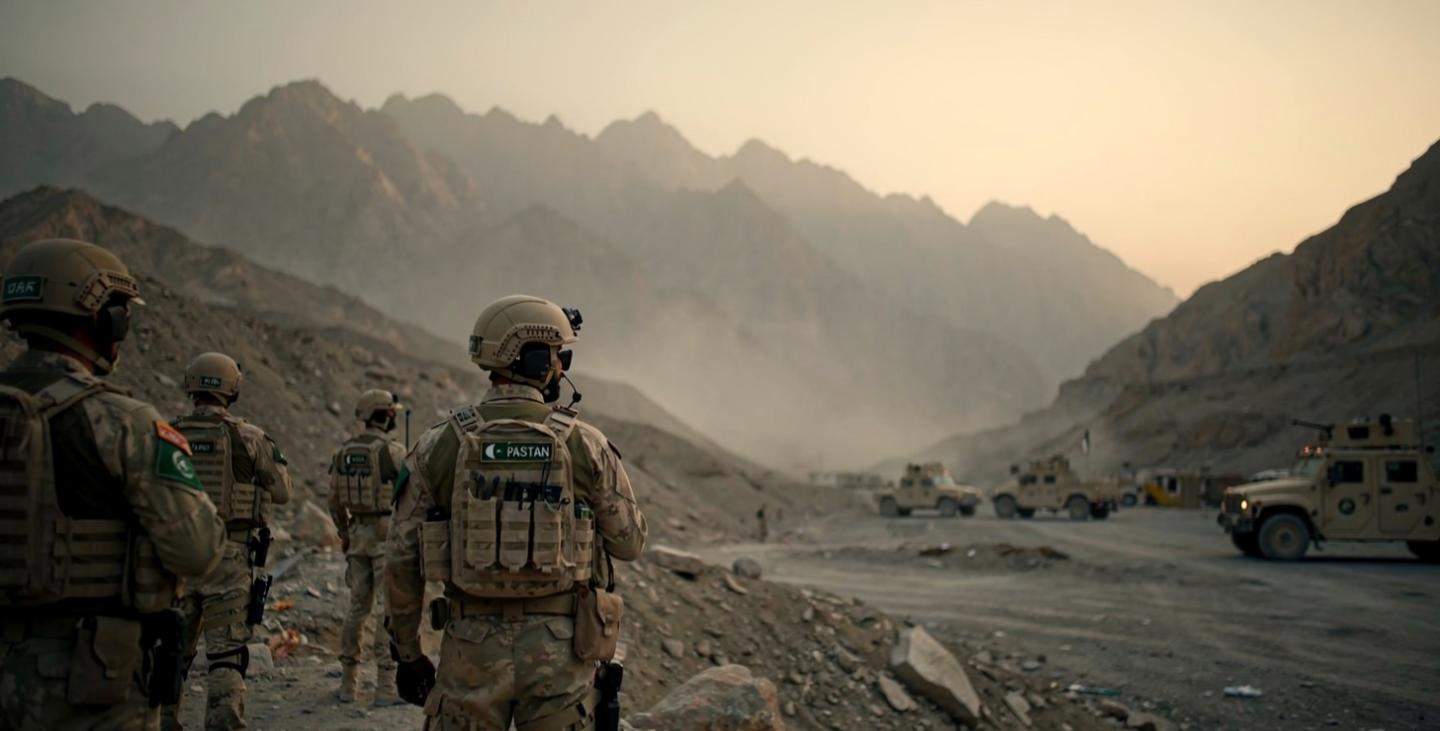
Balochistan KP terrorist operations, Pakistan’s security forces have once again carried out a series of intelligence-based operations across Balochistan and Khyber Pakhtunkhwa, with the military’s media wing, Inter-Services Public Relations (ISPR), confirming that multiple terrorists were killed in the latest round of raids. The operations form part of a broader and sustained counter-terrorism campaign that Pakistani authorities say is aimed at dismantling militant networks operating in the country’s western and northwestern regions.
Thank you for reading this post, don't forget to subscribe!According to ISPR statements, the operations were intelligence-driven, meaning they were launched based on specific information about the movement or presence of armed groups in particular areas, rather than broad sweeps. This approach has become the standard model for Pakistan’s security forces in recent military campaigns across both provinces.
Balochistan KP Terrorist Operations: Latest Updates on Security Forces’ Counterterrorism Actions
ISPR statements describe Balochistan KP terrorist operations a pattern of targeted raids conducted in response to intelligence about militant movement in specific districts. In one of the most recent confirmed operations, security forces tracked the movement of a group of suspected militants in Balochistan’s Kharan district, resulting in the deaths of several individuals described by the military as belonging to the group Pakistan refers to as “Fitna al-Hindustan.” A separate, pre-emptive operation was also carried out in Mastung district after intelligence suggested the possible presence of a suicide bomber, with ISPR stating that several individuals, including a suspected suicide bomber, were killed during the exchange.
Authorities said weapons, ammunition, and explosive devices were recovered from the locations following the operations. ISPR also indicated that “sanitisation operations” — follow-up sweeps intended to clear any remaining militants from the area — were continuing in the affected districts.
Similar intelligence-based operations have also been reported in parts of Khyber Pakhtunkhwa in recent weeks, with the military describing comparable raids against groups it refers to as “Fitna al-Khawarij,” a term the state uses for fighters linked to the banned Tehreek-i-Taliban Pakistan (TTP).
Understanding the Terminology Pakistan’s Military Uses
Balochistan KP terrorist operations Pakistan’s security establishment has, in recent years, adopted specific terminology to describe different militant groups operating within its borders. “Fitna al-Khawarij” is used to refer to TTP-linked fighters, while “Fitna al-Hindustan” is the term applied to groups operating primarily in Balochistan, which Pakistani officials have publicly accused of receiving support from India. India has consistently denied these allegations, and the claims of foreign sponsorship remain a contested and politically sensitive issue between the two countries.
It is worth noting for readers that these are official designations used by the Pakistani state and military, reflecting Islamabad’s position on the matter, rather than independently verified findings from a neutral international body.
Context: A Sustained Counter-Terrorism Campaign
Balochistan KP terrorist operations are part of what Pakistani officials describe as the ongoing “Azm-e-Istehkam” counter-terrorism campaign, approved by the Federal Apex Committee under the National Action Plan. Authorities say this campaign is intended to be sustained rather than a one-off response, with operations being launched on a near-continuous basis across high-risk districts in both Balochistan and Khyber Pakhtunkhwa.
Security analysts and monitoring organizations have noted that both provinces have experienced a rise in militant activity in recent years. Data compiled by groups tracking conflict incidents in the region has shown a marked increase in the number of attacks recorded annually since 2022, with both TTP-linked violence in Khyber Pakhtunkhwa and separatist or insurgent attacks in Balochistan contributing to the upward trend.
Balochistan KP terrorist operations in particular has experienced a string of high-profile attacks targeting both security personnel and civilian infrastructure in recent months, including incidents affecting transportation networks. Authorities have repeatedly stated that such attacks prompt intensified follow-up operations in the affected districts.
Official and Political Response on Balochistan KP terrorist operations
Following the latest reported operations, senior Pakistani officials issued statements commending the performance of the security forces. President Asif Ali Zardari and Prime Minister Shehbaz Sharif have both, in past similar instances, released statements describing such operations as reflecting the “professionalism and resolve” of the country’s armed forces, while reaffirming a commitment to continuing operations until what officials describe as the “complete eradication” of terrorism from the country.
Interior Minister Mohsin Naqvi has also previously praised the security forces following comparable operations, describing their actions as having “foiled the evil intentions” of militant groups and expressing the government’s continued support for the ongoing campaign.
Civilian and Regional Impact on Balochistan KP terrorist operations
While official statements have focused on operational outcomes, the broader human and regional impact of sustained counter-terrorism activity in both provinces remains significant. Communities in affected districts have, in past operations, reported disruptions to daily life, including temporary restrictions on movement and concerns about safety during active engagements. Security forces have also sustained casualties in several of Balochistan KP terrorist operations, with soldiers reported killed or injured in some of the more intense exchanges in recent months.
Both Balochistan and Khyber Pakhtunkhwa continue to be classified by independent conflict-monitoring organizations as among the most affected regions in Pakistan in terms of militant violence, underscoring the scale of the security challenge facing local administrations and federal authorities alike.
Read Also: Indus Waters Treaty Dispute Escalates Between India and Pakistan
What Comes Next after Balochistan KP terrorist operations
Pakistani officials have signaled that intelligence-based operations of this kind are likely to continue at a similar pace in the coming weeks, given the stated commitment to the ongoing counter-terrorism campaign. Authorities have also indicated that “sanitisation” efforts will continue in recently targeted districts to prevent regrouping by remaining militants in the area.
As both provinces continue to navigate a complex and long-running security challenge, the frequency of these operations is likely to remain a recurring feature of Pakistan’s domestic security landscape in the months ahead, with continued attention from both national authorities and international observers monitoring the broader regional security situation.
For continued updates on security developments in Balochistan and Khyber Pakhtunkhwa, readers can follow official statements from the Inter-Services Public Relations (ISPR) and coverage from established outlets such as Dawn and The Express Tribune.