

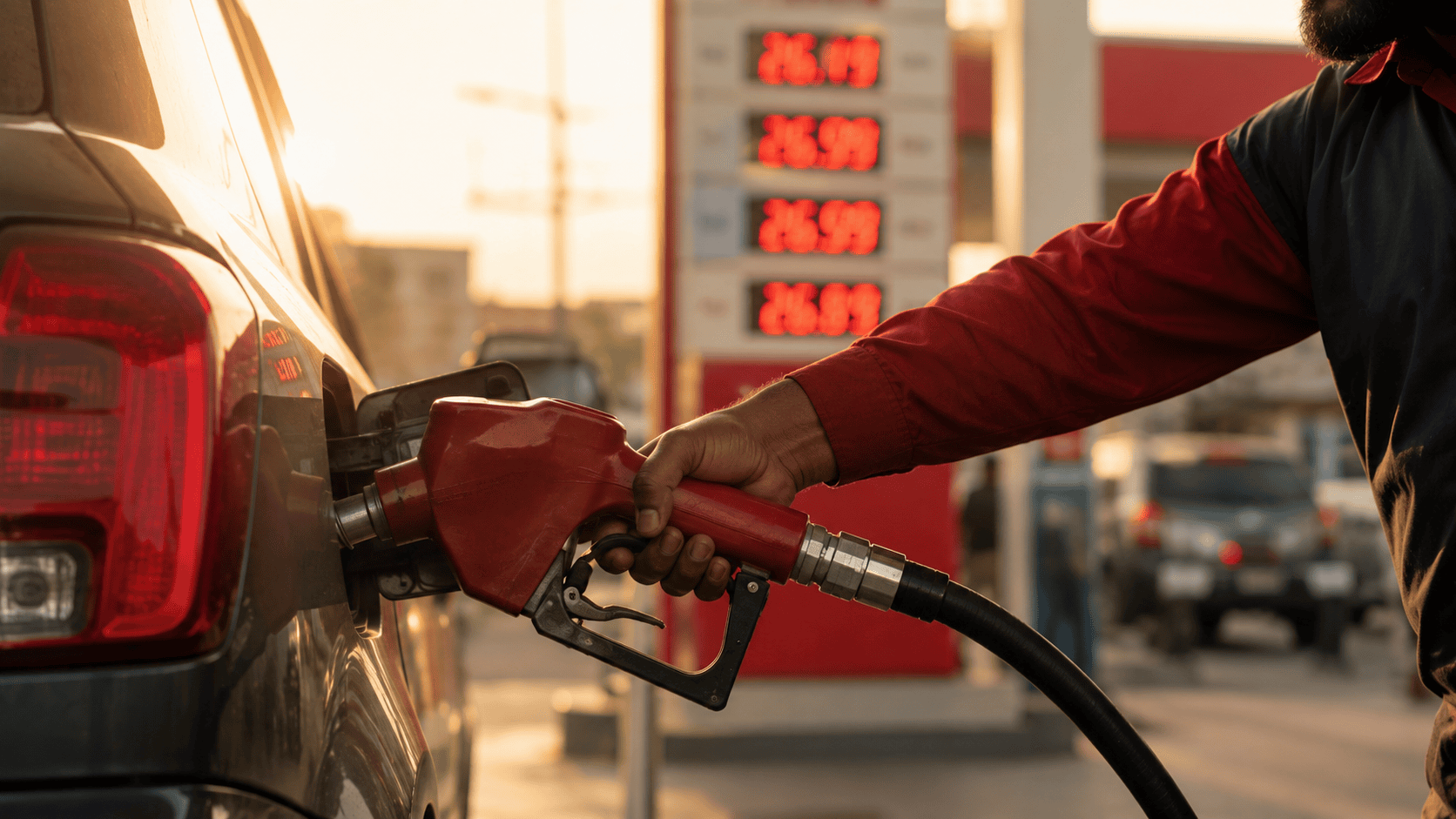
The latest Pakistan petrol price hike has once again put pressure on household budgets and business operating costs, as the federal government raised fuel prices under a newly introduced daily pricing mechanism. The increase, which took effect this past week, has pushed both petrol and high-speed diesel to some of their highest levels in recent memory, triggering concern among transporters, consumers, and economic analysts alike.
Thank you for reading this post, don't forget to subscribe!Breaking Down the Latest Pakistan Petrol Price Hike
According to a notification issued by the Ministry of Energy’s Petroleum Division, the price of petrol was raised by Rs5.44 per litre, moving from Rs310.71 to Rs316.15 per litre. High-speed diesel saw an even steeper increase, jumping by Rs31.05 per litre, from Rs323.30 to Rs354.35 per litre. The revised rates came into effect from July 18 and were set to remain applicable through July 20, reflecting the government’s shift toward a daily review mechanism rather than the traditional fortnightly or weekly adjustments.
This latest Pakistan petrol price hike follows closely on the heels of an even larger increase just a week earlier, when the government raised petrol and diesel prices by more than Rs13 per litre amid escalating international oil market volatility. Officials have attributed the back-to-back hikes to a sharp rise in global crude oil prices, which climbed above $86 a barrel as tensions in the Middle East disrupted shipping through the Strait of Hormuz, a critical corridor for global energy transport.
Why the Government Introduced Daily Fuel Pricing
The latest Pakistan petrol price hike also marks a structural shift in how fuel prices are determined domestically. Petroleum Minister Ali Pervaiz Malik announced that the government is moving toward a system in which daily petroleum prices will be calculated based on the average Platts price over a seven-working-day period, allowing international price movements to be reflected in domestic rates automatically, without requiring direct government intervention.
Officials say the goal of this reform is to gradually transfer pricing responsibility to the Oil and Gas Regulatory Authority (OGRA), creating what the government describes as a more transparent system that balances the interests of consumers, industry, and the state. The Petroleum Minister also rejected suggestions that the government has added any extra financial burden on the public through petroleum levies, stating that current levy rates remain below pre-conflict levels.
Despite these assurances, petrol pump owners and industry stakeholders have raised concerns about the new pricing model, calling for broader consultation with all relevant stakeholders before the mechanism is fully rolled out nationwide.
For readers seeking to track global oil price trends behind such adjustments, resources like the U.S. Energy Information Administration and the International Energy Agency publish regular updates on crude oil markets and geopolitical risk factors affecting global fuel costs.
Transporters Warn of Nationwide Protest
The steep rise in diesel prices tied to the latest Pakistan petrol price hike has drawn a strong reaction from the transport sector. Industry representatives have warned of a possible nationwide wheel-jam strike in protest of the increase, citing the outsized impact of diesel costs on freight, public transport, and agricultural operations.
High-speed diesel is the primary fuel used by heavy transport vehicles, freight trucks, buses, tractors, tube wells, and industrial machinery across Pakistan. As a result, a sharp increase in diesel prices tends to ripple through the broader economy far more forcefully than a comparable rise in petrol prices, which mainly affects smaller vehicles, motorcycles, and rickshaws used by commuters.
Economic analysts note that rising diesel costs are historically linked to increases in the price of essential goods, particularly fresh produce and other food items that rely heavily on diesel-powered transport for distribution across the country.
Government Weighs Fuel-Saving Measures
In response to mounting public pressure following the latest Pakistan petrol price hike, the government has begun exploring the activation of fuel-saving plans aimed at reducing overall consumption and easing the burden of high import costs. Such measures have historically included steps like restricted working hours for certain government offices, encouragement of car-pooling, and public awareness campaigns promoting fuel conservation.
Officials have also renewed calls for Pakistan to accelerate its transition toward electric vehicles and electric motorcycles as a longer-term strategy to reduce dependence on imported fuel and shield the economy from the kind of global oil price volatility currently driving up costs. Information Minister Attaullah Tarar reiterated this position, framing the shift to electric mobility as a necessary step for protecting the country’s economic resilience.
Broader Economic Impact of the Pakistan Petrol Price Hike
The economic consequences of the ongoing Pakistan petrol price hike extend well beyond the fuel pump. Higher diesel costs are expected to increase transportation and logistics expenses across nearly every sector of the economy, from agriculture to manufacturing to retail distribution. This, in turn, is likely to add fresh momentum to inflation at a time when many households are already grappling with tight budgets.
For middle- and lower-income families who rely on petrol for daily commuting, the latest increase adds further strain to already stretched monthly expenses. Meanwhile, businesses dependent on diesel-powered logistics may be forced to pass on higher operating costs to consumers, compounding inflationary pressure across supply chains.
The timing of this Pakistan petrol price hike is also notable, coinciding with heightened geopolitical tensions linked to the ongoing conflict between the United States and Iran, which has disrupted shipping through the Strait of Hormuz and pushed global oil benchmarks higher. As long as this instability persists, further price adjustments under Pakistan’s new daily pricing mechanism appear likely.
Looking Ahead
With the daily pricing mechanism now in place, consumers and businesses should brace for the possibility of more frequent fuel price adjustments going forward, particularly as global oil markets continue to react to developments in the Middle East. Whether the government’s proposed fuel-saving measures and long-term push toward electric vehicles will meaningfully offset the impact of the current Pakistan petrol price hike remains to be seen, but for now, both consumers and transporters are bracing for continued cost pressure.
Read Also:Petrol Price Hike Pakistan 2026: Govt Revises Rates for Next Week
Conclusion
The latest Pakistan petrol price hike underscores just how closely tied the country’s domestic fuel costs have become to volatile international oil markets, especially amid ongoing regional conflict. As diesel prices climb and transporters threaten protest action, the government faces mounting pressure to balance its new market-driven pricing mechanism with the everyday economic realities facing Pakistani households and businesses. How this tension plays out in the weeks ahead will likely shape both public sentiment and policy direction on fuel pricing reform.
Get updates like this on WhatsApp before anywhere else — join our Channel [https://whatsapp.com/channel/0029Vb8fffCKrWQzEVBQ6v00]