

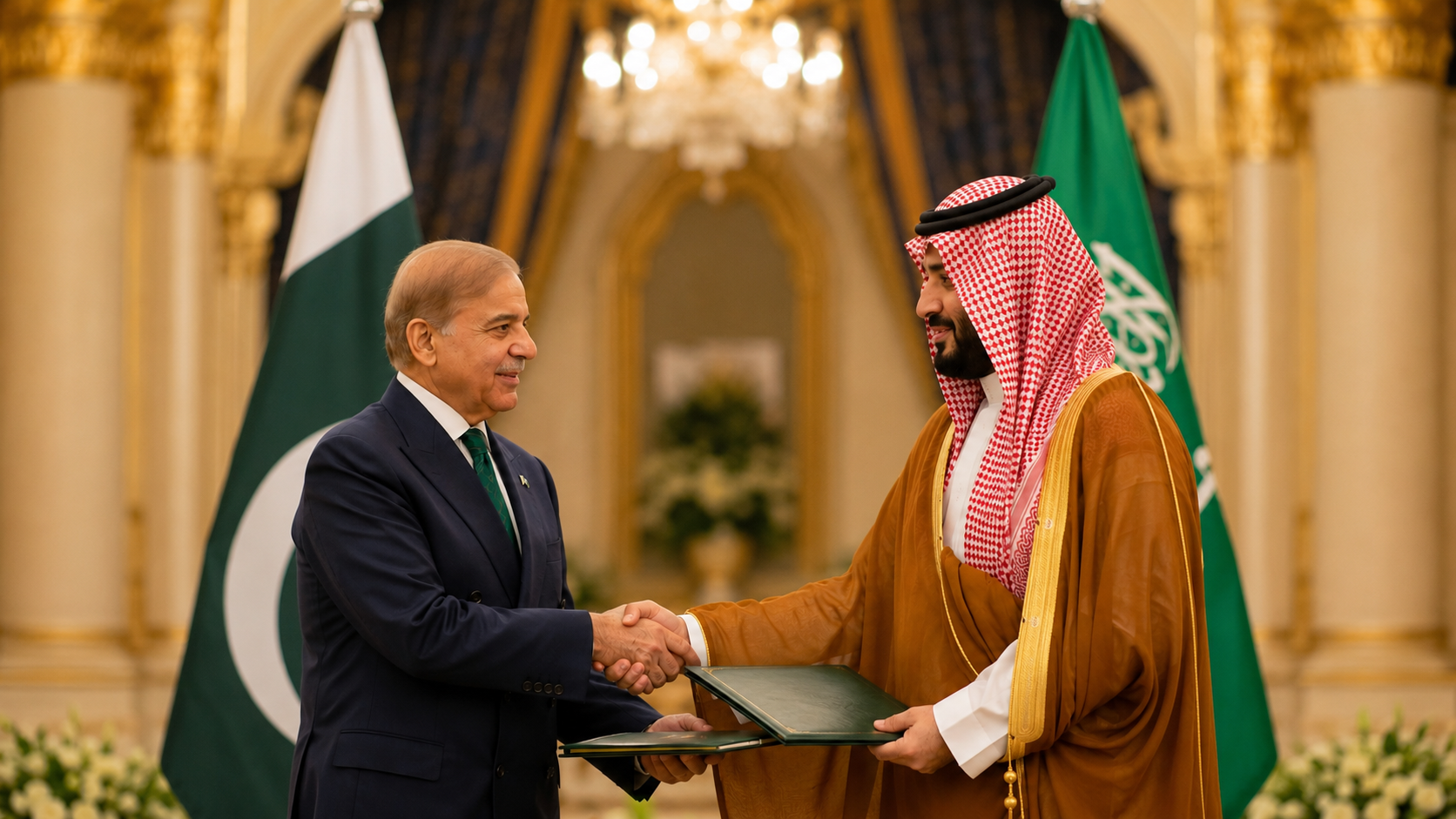
Prime Minister Shehbaz Sharif held a telephone conversation with Saudi Crown Prince Mohammed bin Salman, during which the two leaders discussed the next phase of the Iran-US peace deal and agreed that the process must be guided by sustained diplomacy and protected against any attempt to undermine it. The call came in the immediate aftermath of a landmark agreement signed between Washington and Tehran, an outcome in which both Pakistan and Saudi Arabia have played supporting diplomatic roles.
Thank you for reading this post, don't forget to subscribe!According to PM Shehbaz, the conversation was “warm and most cordial,” and he used the call to thank the Saudi crown prince for the Kingdom’s consistent backing of Pakistan’s peace efforts throughout months of regional tension.
What Was Agreed in the Call Iran-US peace deal
Speaking after the conversation, PM Shehbaz said the two leaders agreed that the next phase of negotiations between Iran and the United States must be “guided by a firm commitment to dialogue and diplomacy, and vigilance against any attempt to undermine the peace process.” This language reflects a shared concern that, even after a formal agreement is signed, follow-through and continued engagement remain essential to prevent renewed escalation.
The premier also congratulated the Saudi crown prince on the signing of what has been referred to as the “Islamabad Peace Accord,” underscoring Pakistan’s central role in hosting and facilitating the diplomatic breakthrough between the two longtime regional adversaries.
Pakistan’s Role in Brokering the Iran-US Peace Deal
Throughout the recent period of heightened tension between Iran and the United States, Pakistan positioned itself as an active mediator. Islamabad is credited with brokering an earlier ceasefire between the two sides in April and went on to host historic direct talks between American and Iranian officials in the Pakistani capital that same month.
That early round of diplomacy laid the groundwork for the broader Iran-US peace deal that followed. One of the most contentious issues during the negotiation process involved the US blockade of Iranian ports near the Strait of Hormuz, a dispute that complicated talks before eventually being resolved as part of the wider agreement.
Saudi Arabia’s Supporting Role Iran-US peace deal
Saudi Arabia’s involvement in supporting the Iran-US peace deal has been substantial, according to Pakistani officials. PM Shehbaz has previously credited the Kingdom, alongside other Gulf states, with playing a vital role in helping bring the negotiations to a successful conclusion. He specifically praised Crown Prince Mohammed bin Salman’s “wise leadership” and Saudi Arabia’s “unwavering commitment to regional peace and stability” as key factors that helped guide the process toward resolution.
During the call, the Saudi crown prince reportedly congratulated PM Shehbaz on the successful conclusion of the accord and commended the efforts of Pakistan’s military leadership, specifically referencing Chief of Army Staff and Chief of Defence Forces Field Marshal Syed Asim Munir, in helping secure the agreement.
Broader Pakistan-Saudi Relations in Focus
Beyond the discussion of the Iran-US peace deal, the two leaders also used the call to review the broader state of Pakistan-Saudi Arabia relations. PM Shehbaz described bilateral ties between the two countries as strong and steadily expanding across multiple sectors, with both sides expressing interest in deepening economic cooperation going forward.
This is consistent with the longstanding, multifaceted relationship between Islamabad and Riyadh, which spans strategic military cooperation, economic partnership, and shared cultural and religious ties. The two countries have previously signed a Strategic Mutual Defence Agreement, under which an attack on either nation would be treated as an act of aggression against both — a framework that underscores the depth of the bilateral relationship underpinning this latest round of diplomatic coordination.
Why the Next Phase Matters
Diplomatic observers note that securing an initial agreement is often only the first step in resolving long-running regional conflicts. The emphasis placed by both PM Shehbaz and the Saudi crown prince on “vigilance against any attempt to undermine the peace process” suggests an awareness that the Iran-US peace deal, while a significant achievement, will require sustained diplomatic attention to hold.
Analysts following the region’s diplomatic trajectory point to several factors that could test the durability of the agreement in the coming months, including domestic political pressures within both Iran and the United States, as well as the involvement of other regional actors with stakes in how the Middle East’s security architecture evolves following the deal.
Possible Impact and Analysis
The continued engagement between Pakistan and Saudi Arabia on the Iran-US peace deal carries several potential implications:
- Regional stability: Continued coordination between Islamabad and Riyadh could help reinforce the durability of the agreement, particularly if both countries continue to use their diplomatic channels to encourage compliance from all parties.
- Pakistan’s diplomatic standing: Pakistan’s central role in facilitating the talks, including hosting direct negotiations in Islamabad, may enhance its profile as a credible regional mediator, with potential long-term benefits for its international standing.
- Economic cooperation: The renewed focus on strengthening Pakistan-Saudi Arabia ties suggests that diplomatic goodwill generated through the peace process could translate into expanded economic engagement between the two countries.
- Continued vigilance required: Both leaders’ emphasis on guarding against attempts to derail the process indicates that the path forward will require ongoing diplomatic effort rather than treating the agreement as a fully settled matter.
What Happens Next
With the Iran-US peace deal now signed, attention is expected to shift toward implementation and the resolution of outstanding issues through continued dialogue. Pakistan and Saudi Arabia, along with other regional partners such as Qatar and Turkiye, who have also been credited with playing constructive roles in the process, are likely to remain engaged as the next phase of negotiations unfolds.
PM Shehbaz has also extended an invitation for an official visit by the Saudi crown prince to Pakistan, suggesting that further high-level engagement between the two countries is expected in the near future.
Conclusion
The phone call between PM Shehbaz Sharif and Saudi Crown Prince Mohammed bin Salman reflects the continued diplomatic coordination between Pakistan and Saudi Arabia in the aftermath of the landmark Iran-US peace deal. With both leaders stressing the importance of dialogue, diplomacy, and vigilance in the next phase of negotiations, the coming months will be critical in determining whether the agreement can deliver lasting regional stability. For Pakistan, the episode also reinforces its emerging role as an active and credible player in Middle East diplomacy.
Saudi Press Agency (SPA) — https://www.spa.gov.sa
Ministry of Foreign Affairs, Pakistan — https://mofa.gov.pk