

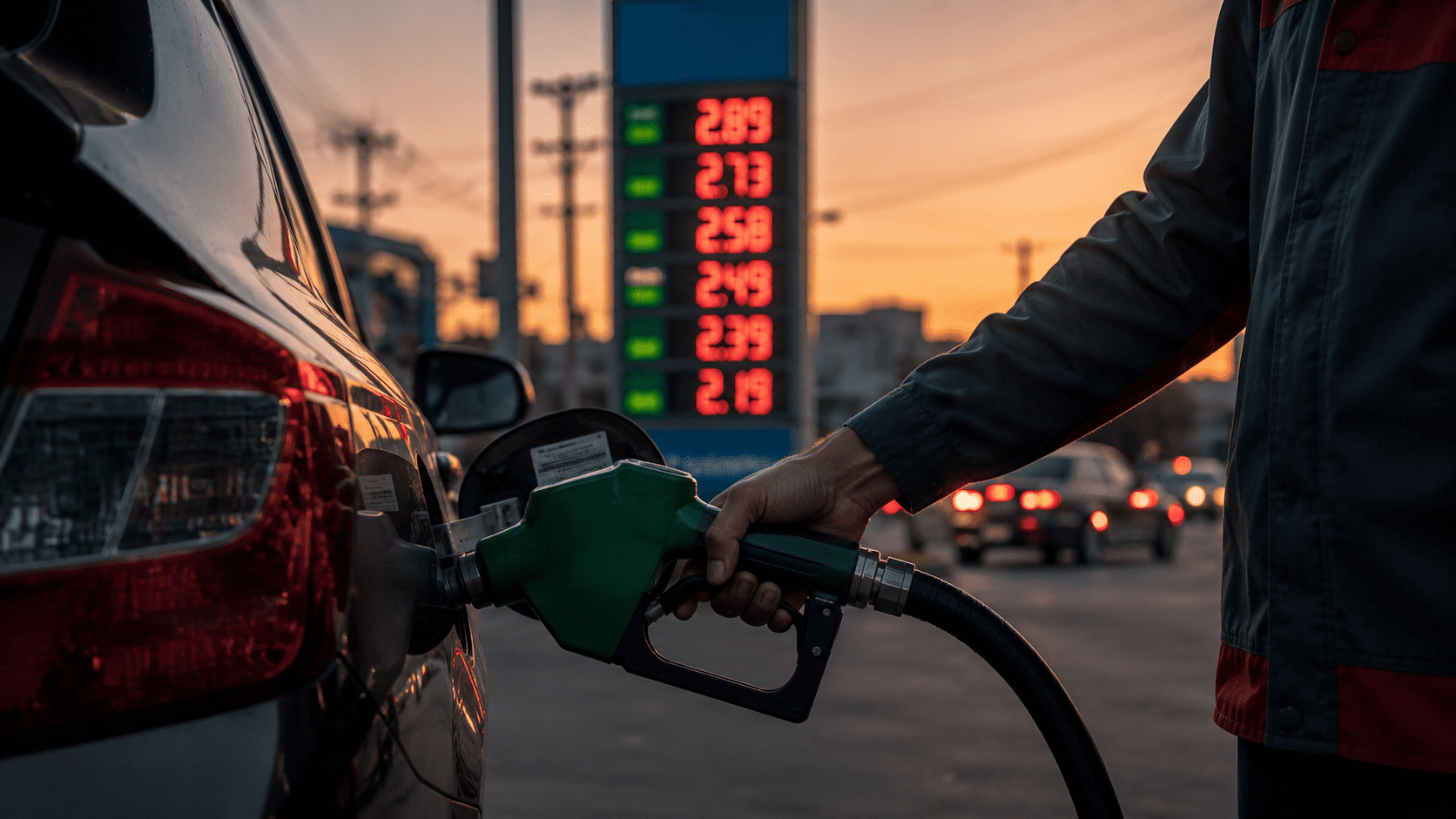
The Pakistan petrol price has been reduced by a sweeping Rs74 per litre, marking one of the most significant fuel relief measures in recent years. Prime Minister Shehbaz Sharif announced the cut on Friday, alongside a Rs67 reduction in diesel rates, bringing welcome news to households, transporters, and businesses across the country still recovering from months of elevated fuel costs.
Thank you for reading this post, don't forget to subscribe!With this revision, the new petrol price in Pakistan stands at Rs299 per litre, down from Rs373, while high-speed diesel has dropped from Rs378 to Rs311 per litre. The Ministry of Finance is expected to issue a formal notification confirming the updated Pakistan petrol price, with the new rates taking effect from midnight.
Why the Pakistan Petrol Price Dropped So Sharply
The latest cut in the Pakistan petrol price comes on the back of a steep decline in international crude oil rates. Global benchmarks softened after a peace agreement between the United States and Iran helped de-escalate months of regional tension that had disrupted energy markets since late February.
Officials say the easing of hostilities allowed oil tankers to resume movement through the Strait of Hormuz, a vital corridor for nearly a fifth of the world’s seaborne oil trade. The reopening of this route reduced supply-side pressure on global crude benchmarks, giving Islamabad room to pass on savings through a lower petrol price in Pakistan and reduced diesel rates.
Pakistan, as a heavily import-dependent economy, had earlier been forced to raise domestic fuel prices by more than 50 percent during the conflict period, squeezing household budgets and pushing up transportation and food costs nationwide. Friday’s announcement effectively reverses a significant portion of that earlier burden.
What the Prime Minister Said
Speaking earlier in the National Assembly, PM Shehbaz Sharif had signalled that a “significant” reduction in fuel prices was imminent as regional tensions eased. By the afternoon, his office confirmed the scale of the cut, framing it as the government fulfilling a promise made to the public during the difficult months of high fuel costs.
The Prime Minister’s Office said the benefits of improving regional conditions and falling international oil prices were being passed directly to ordinary citizens. The government also credited an austerity drive, reportedly saving over Rs129 billion, along with coordinated planning between federal and provincial governments, for helping avoid a wider energy crisis during the period of elevated global prices.
Context: Months of Pressure on Pakistani Consumers
To understand the significance of this Pakistan petrol price cut, it helps to look back at the past several months. Since the outbreak of regional conflict involving Iran in late February, the government had been reviewing petroleum prices on a weekly basis to keep pace with volatile international markets. Prices were revised upward multiple times, including steep hikes in early March, as global supply concerns pushed crude oil costs higher.
These repeated increases in the petrol price in Pakistan had a ripple effect across the economy — raising transport fares, increasing the cost of moving goods, and adding pressure to an already strained cost-of-living situation for many households. Friday’s relief, therefore, is being viewed not just as a routine price adjustment but as a meaningful turning point for consumers.
Diplomatic Backdrop: Pakistan’s Mediating Role
The fuel price relief is also tied to a broader diplomatic development. A day before the announcement, Pakistan played a mediating role in the signing of what has been described as the Islamabad Memorandum of Understanding, a framework aimed at formalising the de-escalation between the United States and Iran. Pakistan’s diplomatic engagement in facilitating dialogue between the two sides has been cited by officials as a contributing factor in stabilising the region and, by extension, global energy markets.
This diplomatic dimension adds a layer of significance to the Pakistan petrol price story, linking a domestic economic relief measure to wider geopolitical developments in the Middle East.
Possible Impact on the Economy {Pakistan petrol price}
Economists and market watchers suggest that a reduction of this scale in the Pakistan petrol price could have a meaningful downstream effect:
- Transport costs: Lower diesel rates typically translate into reduced freight and public transport fares over time, which could ease pressure on the prices of essential goods.
- Inflation outlook: A sustained dip in fuel costs may help moderate headline inflation figures in the coming months, particularly if global oil prices remain stable.
- Household budgets: For commuters and small business owners who rely heavily on fuel for daily operations, the cut offers immediate, tangible relief.
- Government finances: Authorities will need to balance consumer relief with revenue requirements, as fuel levies remain an important source of tax collection for the federal budget.
Analysts caution that the durability of this relief will depend on how international crude markets behave going forward, especially given the historically volatile nature of geopolitical developments in oil-producing regions.
What Happens Next
The Ministry of Finance is expected to formally notify the revised petrol price in Pakistan through an official gazette notification, which typically follows announcements of this nature within hours. As with previous adjustments, the government has indicated that pricing will continue to be reviewed periodically in line with movements in the international oil market.
For now, the latest cut represents a rare moment of broad-based relief for Pakistani consumers, who had absorbed sharp increases in the Pakistan petrol price over recent months. Whether this trend continues will depend largely on how regional stability holds and how global energy markets respond in the weeks ahead.
Conclusion
Friday’s announcement on the Pakistan petrol price marks a significant shift after a turbulent period of rising fuel costs. With petrol falling to Rs299 per litre and diesel to Rs311, the government has framed the move as a direct outcome of improving regional stability and falling global oil prices. For millions of households and businesses across Pakistan, the reduction offers welcome breathing room — though sustaining this relief will require continued stability in both regional diplomacy and international energy markets.
Read Also: Punjab Budget 2026-27: Taxes Rise Sharply as Development Spending Faces Major Cuts