

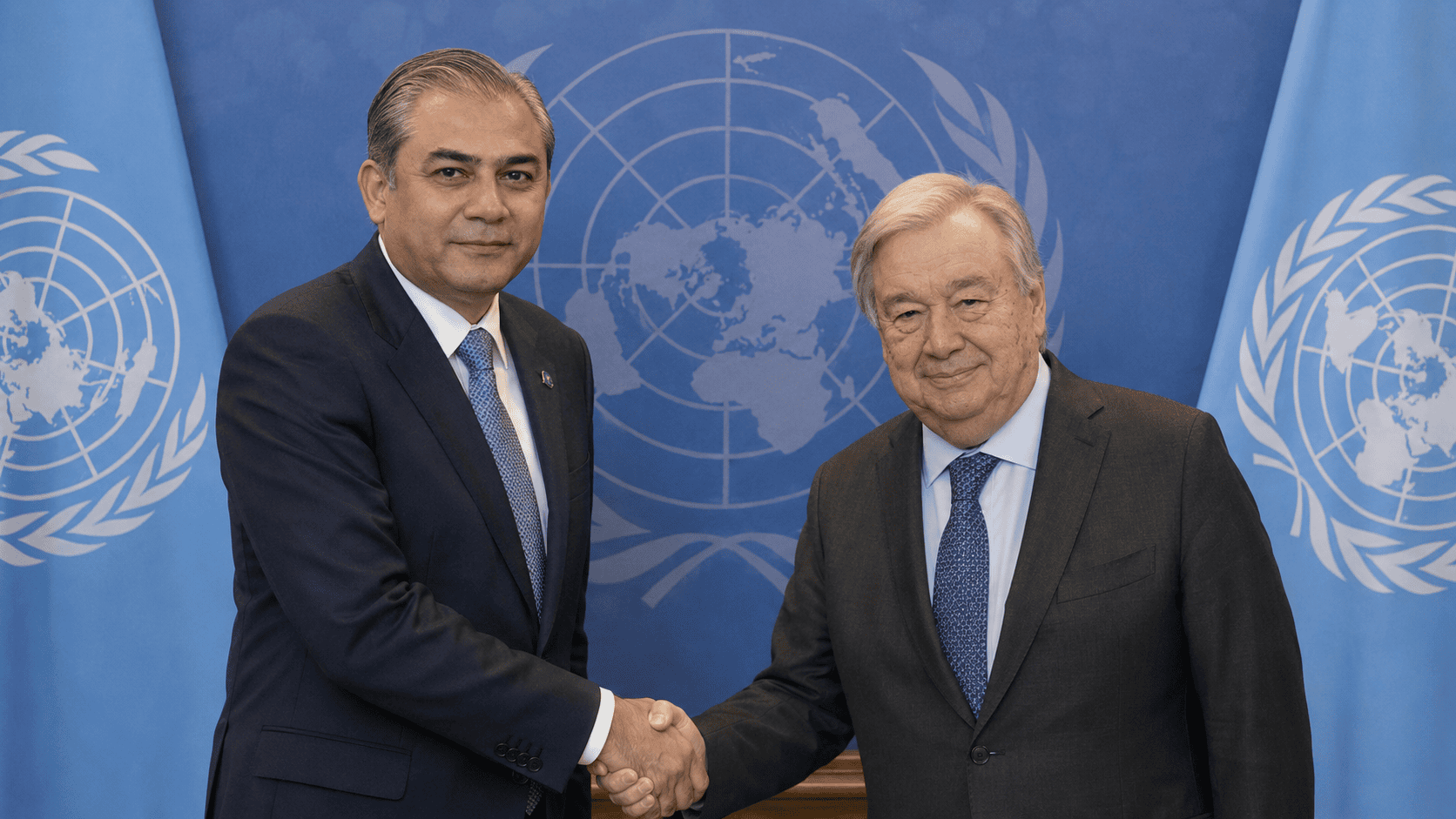
A significant diplomatic development is reshaping regional security dynamics, as Pakistan and Russia move toward a formal Pakistan Russia counterterrorism partnership. The agreement, reached on the sidelines of a major international summit, reflects growing alignment between Islamabad and Moscow on the urgent need to confront militant networks destabilizing South and Central Asia.
Thank you for reading this post, don't forget to subscribe!The development comes at a moment when Pakistan continues to grapple with rising insurgent violence at home, making the timing of this Pakistan Russia counterterrorism push especially notable for regional observers and policy analysts alike.
The Meeting That Sparked the Agreement
The understanding was reached during a sit-down between Pakistan’s Interior Minister Mohsin Naqvi and his Russian counterpart at the United Nations headquarters, held on the sidelines of the Fifth United Nations Chiefs of Police Summit. The gathering brought together top law-enforcement officials from around the world to address transnational crime and terrorism threats.
During their discussion, the two ministers explored ways to deepen collaboration across several fronts, including counter-narcotics operations, cybercrime prevention, and joint police training exercises. Central to the talks was the shared goal of building a coordinated Pakistan Russia counterterrorism framework capable of confronting militant networks operating in the wider region, with particular attention paid to groups based in Afghanistan.
A Formal Pact in the Works Pakistan Russia counterterrorism
According to Pakistan’s Interior Ministry, both sides agreed in principle to pursue a Memorandum of Understanding between their respective interior ministries. The proposed agreement is designed to institutionalize cooperation rather than leave it dependent on periodic high-level meetings, giving the Pakistan Russia counterterrorism relationship a more permanent and structured foundation.
While full details of the MoU have not yet been made public, officials indicated that it would formalize existing areas of cooperation and open new channels for intelligence sharing, joint operations planning, and law-enforcement training programs between the two countries.
Naqvi’s Remarks on the Afghanistan Threat
A central theme of the discussion was the security situation inside Afghanistan. Pakistan’s interior minister told his Russian counterpart that more than two dozen terrorist organizations remain active on Afghan soil, describing their elimination as a responsibility shared by the international community. He emphasized that coordinated global action would be essential to eradicate the threat these groups pose to regional stability.
This message aligns with Pakistan’s broader diplomatic position over recent months, in which officials have repeatedly called for verifiable action from Afghan authorities against militant groups believed to be operating from within its borders. The Pakistan Russia counterterrorism dialogue adds another layer to this ongoing campaign for coordinated regional pressure.
Building on Existing Cooperation
This latest meeting did not emerge in isolation. It follows months of steadily deepening security engagement between the two countries. Weeks earlier, senior officials from both nations held the twelfth round of the Pakistan-Russia Joint Working Group on Countering International Terrorism in Islamabad, where discussions similarly focused on threats emanating from Afghanistan and opportunities for cooperation through multilateral platforms such as the United Nations and the Shanghai Cooperation Organisation.
Officials from both sides used that meeting to reaffirm their commitment to sustained dialogue, agreeing that the next round of talks would take place in Moscow. The steady cadence of these engagements suggests that the current Pakistan Russia counterterrorism push is part of a longer-term strategic trend rather than a one-off diplomatic gesture.
Wider Diplomatic Context Pakistan Russia counterterrorism
The renewed security engagement between Islamabad and Moscow arrives against a backdrop of broader diplomatic activity for Pakistan at the United Nations. Alongside the Russia meeting, Pakistani officials also held separate discussions with counterparts from China, focusing on border management, counter-narcotics cooperation, and efforts to curb terrorist financing. Pakistan’s engagement at the UN Chiefs of Police Summit has therefore functioned as a broader platform for advancing its counterterrorism diplomacy on multiple fronts simultaneously.
Analysts note that Pakistan’s outreach to major global and regional powers reflects an effort to diversify its security partnerships at a time when domestic militancy remains a pressing challenge. For Russia, deeper security ties with Pakistan offer a foothold in shaping counterterrorism strategy across South and Central Asia, a region where Moscow has long-standing interests tied to regional stability and its own security concerns.
What the Agreement Could Mean Pakistan Russia counterterrorism
If finalized, the proposed interior ministry pact could translate into tangible operational benefits, including expanded intelligence-sharing arrangements, joint police training programs, and coordinated efforts to disrupt financing networks that support extremist groups. Both governments have signaled that they view the Pakistan Russia counterterrorism relationship as a long-term structural priority rather than a symbolic diplomatic gesture.
However, questions remain about implementation. Previous joint working group meetings and cooperative frameworks between the two nations have often moved slowly from agreement to concrete action. Observers will be watching closely to see whether this latest MoU translates into measurable operational cooperation, particularly given the urgency created by Pakistan’s recent surge in militant violence.
Regional Reactions and Next Steps on Pakistan Russia counterterrorism
Pakistan’s interior minister formally invited his Russian counterpart to visit Islamabad, a gesture seen as reinforcing Islamabad’s commitment to expanding engagement with Moscow. Officials from both countries are expected to continue working-level discussions in the coming months to finalize the terms of the interior ministry agreement.
As Pakistan navigates a complex regional security landscape shaped by instability in Afghanistan and rising militant activity within its own borders, the Pakistan Russia counterterrorism partnership represents one part of a wider diplomatic strategy aimed at building international support for its security objectives.
Read Also:FCC Bars Conversion of Industrial Land Into Housing Schemes in Landmark Ruling
Conclusion
The emerging Pakistan Russia counterterrorism cooperation marks a notable moment in the evolving relationship between Islamabad and Moscow, moving beyond periodic dialogue toward a more institutionalized security partnership. With both countries citing shared concerns over militant networks operating from Afghanistan, the coming months will reveal whether this diplomatic momentum can be converted into practical, on-the-ground results — a test that will matter greatly for regional stability going forward.