

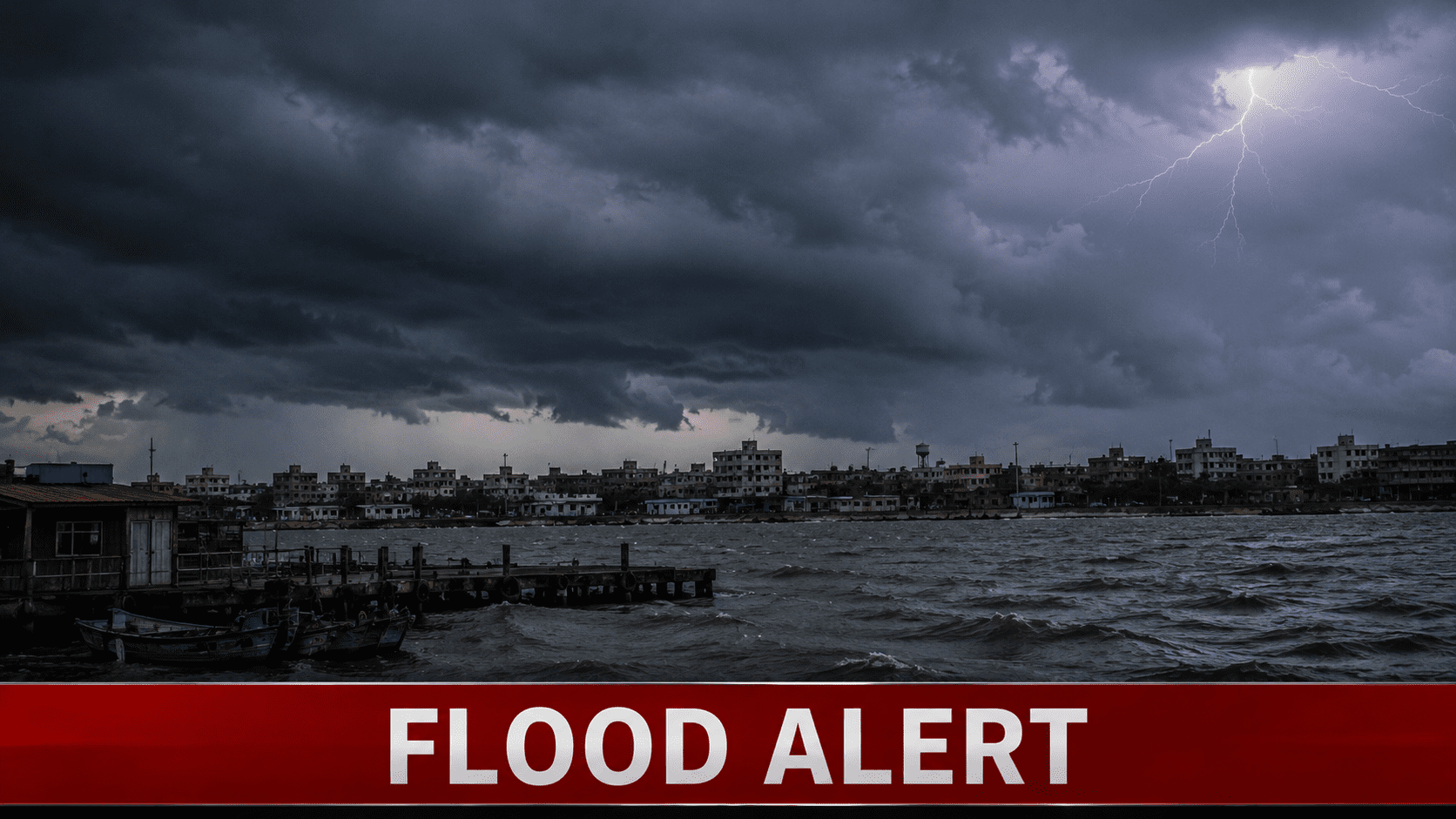
As monsoon clouds gather across the country, Pakistan’s disaster management authority has sounded the alarm — warning citizens in multiple regions to prepare for flooding, landslides, and heavy rainfall in the days ahead.
Thank you for reading this post, don't forget to subscribe!Pakistan’s National Disaster Management Authority (NDMA) has issued a formal NDMA flood alert Pakistan covering different parts of the country, cautioning citizens about the heightened risk of flooding and landslides. The alert comes as multiple weather agencies, including the Pakistan Meteorological Department (PMD), forecast significant rainfall across major cities over the coming days.
According to Radio Pakistan, the NDMA flood alert specifically warns of landslide and flood risks in vulnerable regions, urging local administrations and residents to take precautionary measures. The Express Tribune further reported that this alert remains valid until June 20, giving authorities and citizens a clear window to prepare for the expected weather system.
What the NDMA Flood Alert Covers
The NDMA flood alert Pakistan highlights several key risk areas that residents and local governments need to monitor closely:
- Landslide-prone regions: Mountainous and hilly areas, particularly in northern Pakistan, where saturated soil following heavy rain increases the risk of landslides.
- Flood-prone river basins: Areas near major rivers and tributaries where heavy rainfall can cause rapid water level rises.
- Urban flooding zones: Cities with weak drainage infrastructure that are vulnerable to waterlogging during intense rain spells.
The NDMA’s decision to issue a nationwide-style alert — rather than a region-specific advisory — reflects the broad geographic spread of the incoming weather system, which is expected to affect both northern and southern parts of the country.
Met Office Forecasts Rain in Islamabad and Rawalpindi
Dawn, in a report by Aamir Yasin, confirmed that the Met Office has forecast rain in Pindi (Rawalpindi) and Islamabad, with showers expected to begin and continue over the following days. This forecast directly supports the broader NDMA flood alert Pakistan, as the twin cities of Islamabad and Rawalpindi have experienced significant urban flooding in past monsoon seasons due to overwhelmed drainage systems and rapid urban expansion.
Residents in these cities are advised to:
- Avoid unnecessary travel during heavy downpours
- Stay clear of low-lying underpasses prone to waterlogging
- Monitor official weather updates from the Pakistan Meteorological Department
- Keep emergency contact numbers readily available
Karachi Likely to Receive Rain as PMD Forecasts Nationwide Showers
Geo News reported that Karachi is likely to receive rain, as the PMD forecasts nationwide showers extending well beyond just the northern parts of the country. This is a particularly significant development, as Karachi — Pakistan’s largest city — has historically struggled with severe urban flooding during periods of intense rainfall, largely due to inadequate drainage infrastructure and rapid, unplanned urbanization.
The NDMA flood alert Pakistan therefore takes on added urgency for Karachi’s roughly 20 million residents, many of whom remember the catastrophic urban flooding events of previous monsoon seasons. City authorities are expected to activate pre-monsoon drainage clearance operations and emergency response teams in anticipation of the forecasted rain.
Why This Alert Matters: Pakistan’s Vulnerability to Flooding
Pakistan remains one of the most climate-vulnerable countries in the world, frequently ranked among nations most affected by extreme weather events despite contributing a small fraction of global greenhouse gas emissions. The devastating floods of 2022, which submerged a third of the country and displaced millions, remain a stark reminder of how quickly heavy rainfall can escalate into a humanitarian crisis.
Against this backdrop, the NDMA flood alert Pakistan issued for the period until June 20 should be viewed not as a routine seasonal advisory, but as part of a broader, increasingly proactive disaster management approach. Early warnings, when properly communicated and acted upon, can significantly reduce casualties and economic losses.
According to the World Meteorological Organization and Pakistan’s own climate data, monsoon patterns have become increasingly erratic in recent years, with shorter but more intense rainfall events replacing the traditionally longer, more predictable monsoon seasons. This shift makes early alerts like the current NDMA flood alert Pakistan even more critical for public safety.
Regional Breakdown: Who Is Most at Risk?
Based on the combined reports from Dawn, The Express Tribune, Geo News, and Radio Pakistan, the following regions appear most relevant to the current NDMA flood alert Pakistan:
Northern Pakistan
Mountainous regions face the highest landslide risk, particularly along major highways and in areas with recent deforestation or soil instability.
Islamabad-Rawalpindi Region
Urban flooding risk due to forecasted rain, combined with the cities’ known drainage limitations.
Karachi and Sindh
Nationwide showers forecast by the PMD put Pakistan’s largest city at risk of urban flooding, particularly in low-lying neighborhoods.
Government and Public Response
Following the NDMA flood alert Pakistan, provincial disaster management authorities are expected to coordinate closely with the NDMA to implement localized response plans. This typically includes:
- Pre-positioning rescue boats and emergency equipment in flood-prone districts
- Activating district-level emergency operation centers
- Issuing SMS alerts to residents in high-risk zones
- Coordinating with the Pakistan Army and Rescue 1122 for potential relief operations
Citizens are urged to follow official guidance from NDMA, PMD, and provincial disaster management authorities rather than relying on unverified information circulating on social media.
Safety Recommendations for Citizens (NDMA flood alert Pakistan):
In light of the NDMA flood alert Pakistan, residents in affected areas should consider the following precautions:
- Keep mobile phones charged and have a battery backup or power bank ready
- Avoid crossing flooded roads, bridges, or low-lying underpasses
- Store essential documents in waterproof bags
- Identify the nearest safe shelter or relief camp in your area
- Follow only verified government sources for weather and emergency updates
What Happens Next?
With the NDMA flood alert Pakistan valid until June 20, the coming days will be critical in determining the actual severity of the weather system. Key developments to watch include:
- Updated PMD forecasts as the rain system develops
- Possible extension or de-escalation of the NDMA alert based on real-time conditions
- Provincial government responses, particularly in Sindh and Punjab
- Any reported flooding or landslide incidents requiring emergency response
Conclusion: Preparedness Is the Best Defense
The NDMA flood alert Pakistan serves as an important early warning for citizens and authorities alike. With the Met Office forecasting rain in Islamabad and Rawalpindi, and the PMD predicting nationwide showers that could affect Karachi, Pakistan’s disaster management institutions are once again being tested in their ability to translate early warnings into effective on-the-ground action.
For ordinary citizens, the message is clear: stay informed, stay prepared, and take official alerts seriously. As Pakistan continues to navigate an increasingly unpredictable climate, proactive measures — rather than reactive crisis response — remain the country’s strongest defense against the human and economic toll of flooding.
Pakkhabar.com will continue monitoring weather developments and provide timely updates on the NDMA flood alert as the situation evolves.