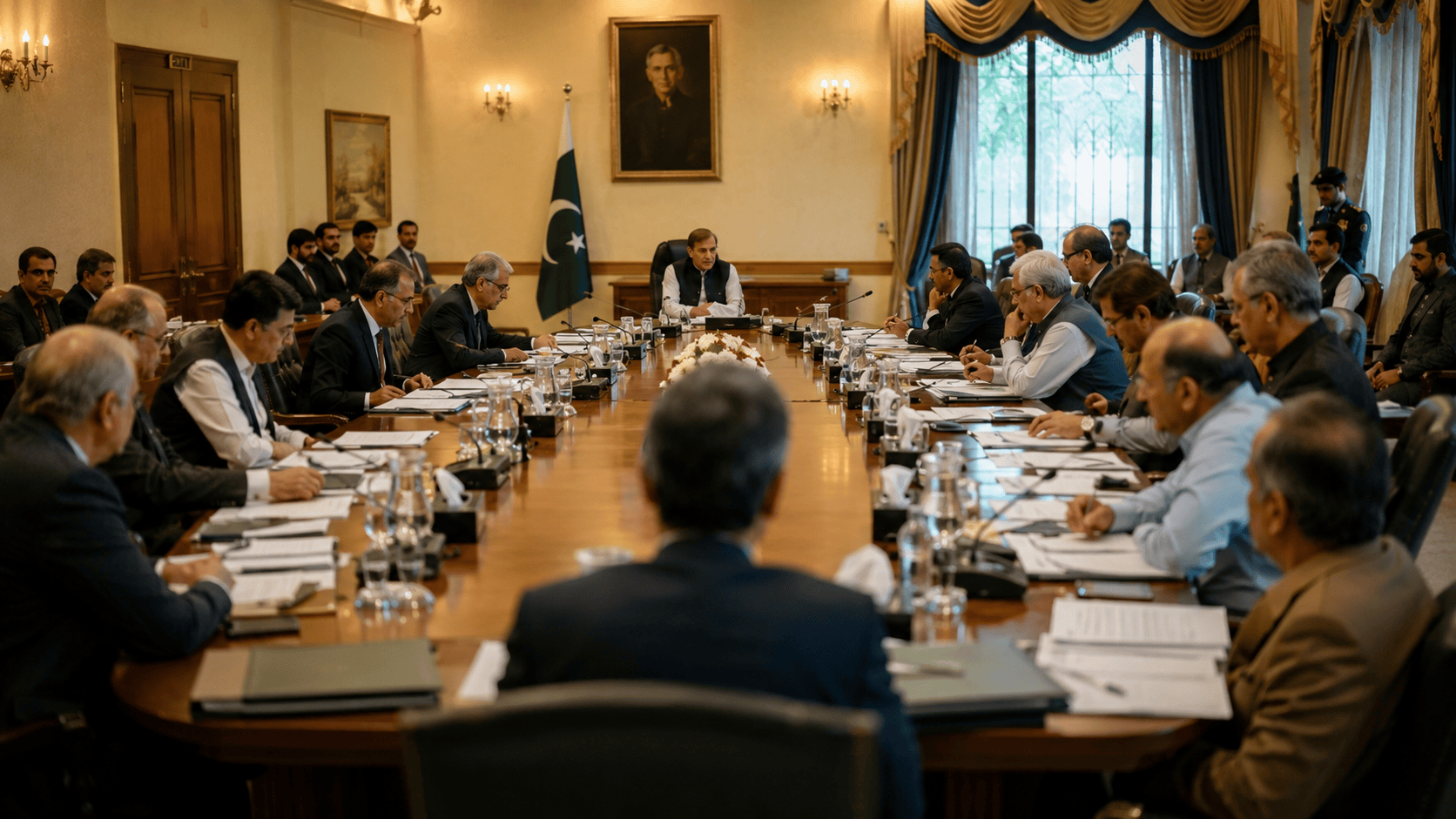
Pakistan has taken a historic step in reforming its Hajj arrangements. The federal cabinet, chaired by Prime Minister Shehbaz Sharif, has approved the country’s first-ever four-year Hajj policy, covering the period from 2027 to 2030. The decision marks a significant departure from the decades-old practice of announcing a fresh Hajj policy every single year, and it is being welcomed by religious affairs officials and prospective pilgrims alike.
This landmark four-year Hajj policy is designed to bring long-term planning, greater transparency, and improved facilities to one of the largest annual religious undertakings managed by the Pakistani government.
Why the Four-Year Hajj Policy Matters
For years, Pakistani citizens intending to perform Hajj had to go through a fresh registration process annually, often facing uncertainty around quotas, procedures, and timelines that changed from year to year. The newly approved four-year Hajj policy eliminates this repetitive cycle by allowing pilgrims to register just once for any Hajj season up to 2030.
According to officials briefed during the cabinet meeting in Islamabad, this shift will allow the Ministry of Religious Affairs to maintain a structured, priority-based waiting list, giving prospective pilgrims greater clarity and predictability about when they are likely to perform Hajj. This long-term approach is expected to reduce administrative bottlenecks that have historically affected the annual Hajj process.
Key Features of the New Policy
The four-year Hajj policy introduces several notable reforms aimed at modernising the entire pilgrimage system:
One-Time Registration Until 2030
Instead of registering every year, intending pilgrims can now complete a single registration that remains valid for any Hajj season through 2030. This change alone is expected to significantly ease the administrative burden on both applicants and the Ministry of Religious Affairs.
Shariah-Compliant Hajj Savings Scheme
To make the pilgrimage more financially accessible, the cabinet approved the introduction of a Shariah-compliant savings scheme. This will allow citizens to gradually set aside funds for their future Hajj journey in accordance with Islamic financial principles, easing the financial pressure that often comes with lump-sum Hajj payments.
Full Digitisation of Hajj Operations
A central pillar of the four-year Hajj policy is the complete digitisation of Hajj management. This includes online payment systems, digital complaint resolution, and real-time monitoring mechanisms, all aimed at improving transparency and reducing the potential for mismanagement.
Separate Quotas and Package Options
The policy also introduces clearly defined quotas for government and private Hajj schemes, along with the option of both long- and short-duration Hajj packages, giving pilgrims more flexibility based on their personal and financial circumstances.
Mandatory Training and Emergency Support
Under the new framework, pilgrim training will become mandatory, alongside Takaful (Islamic insurance) coverage and dedicated emergency response services, ensuring pilgrims are better prepared and protected throughout their journey.
Focus on Transparency and Accountability
A significant aspect of the four-year Hajj policy is its emphasis on merit-based governance. Prime Minister Shehbaz Sharif directed that the appointment of Hajj assistants, officials who accompany and support pilgrims, be carried out through a strictly transparent and merit-based process.
Additionally, the cabinet ordered independent third-party validation of both government and private Hajj operators. This measure is intended to ensure that all service providers, whether public or private, meet consistent quality and accountability standards, addressing long-standing concerns about inconsistent service delivery in the private Hajj sector.
Recognition for This Year’s Hajj Arrangements
During the same cabinet meeting, members commended Federal Minister for Religious Affairs Sardar Muhammad Yousaf and his ministry for what was described as the successful management of this year’s Hajj arrangements. This recognition set the stage for the broader discussion around long-term reform, with officials noting that lessons learned from recent Hajj seasons directly informed the design of the new four-year Hajj policy.
Alignment With Saudi Regulations
Officials also clarified that while the policy is designed to run through 2030, it remains a living framework. Standard Operating Procedures and supporting regulations will be developed to implement the policy in phases, and amendments can be made whenever necessary to ensure alignment with Saudi Arabia’s laws and Hajj-related regulations. This built-in flexibility is intended to keep Pakistan’s Hajj arrangements responsive to any changes introduced by Saudi authorities in the coming years.
Broader Cabinet Decisions
Alongside the four-year Hajj policy, the federal cabinet also approved a plan to outsource services at the Isolation Hospital and Infectious Treatment Centre and the Regional Blood Centre in Islamabad, aiming to improve healthcare delivery standards. The cabinet further reviewed Pakistan Railways’ performance, noting a revenue increase of over 24 percent compared to the previous fiscal year, driven largely by growth in freight operations.
Expected Impact on Pilgrims and the Religious Affairs Sector
The introduction of the four-year Hajj policy is expected to have a meaningful impact on how Pakistanis plan and prepare for one of Islam’s most significant religious obligations. By removing the uncertainty of annual re-registration, the policy allows families to plan years in advance, both financially and logistically.
Religious affairs analysts suggest that the shift toward digitisation and third-party validation could also help reduce complaints related to private Hajj operators, a recurring issue in past years. The introduction of a formal savings scheme is likewise expected to make Hajj more accessible to lower and middle-income families who previously struggled to arrange the full cost of the pilgrimage in a single year.
Read Also:Afghan Returnees ID Crisis Deepens at Torkham Border
For readers seeking further official details, updates on Hajj procedures are typically issued through the Ministry of Religious Affairs and international guidance is available via the Saudi Ministry of Hajj and Umrah.
Conclusion
Pakistan’s approval of its first-ever four-year Hajj policy represents a significant modernisation effort within one of the country’s most logistically complex annual undertakings. By combining long-term planning, digital reforms, financial accessibility through a savings scheme, and stronger accountability measures, the government aims to deliver a more efficient and pilgrim-friendly Hajj experience through 2030. As implementation details and SOPs are finalised in the coming months, prospective pilgrims across Pakistan will be watching closely to see how these reforms translate into practical improvements on the ground.
Recent News
- AJK Election Results Trigger Coalition Rift as PPP Alleges Rigging, PML-N Claims Sweeping Win NEW
- AJK Police Say Banned JAAC Has Become an Armed Group Attacking Police and Security Forces NEW
- AJK Protest Spirals: Four Police Officers Martyred in Violent Clashes NEW
- AJK Security Forces Request Signals Deepening Unrest Ahead of Elections NEW
- Allama Nasir Madni Heart Attack Rumours Denied: What Really Happened NEW
- Apna Ghar Scheme 2026: Pakistan’s Biggest Housing Dream Is Finally Being Unlocked for Millions NEW
- Armed Forces Committed to Eradicating All Forms of Terrorism: Field Marshal NEW
- Asim Munir Turkey Visit Strengthens Pakistan-Turkiye Defence Partnership NEW
- Ashura 2026 Pakistan Confirmed for June 26 — Moon Not Sighted, KP Declares Holiday NEW
- Avengers Doomsday Trailer Sends Marvel Fans Into a Frenzy NEW