

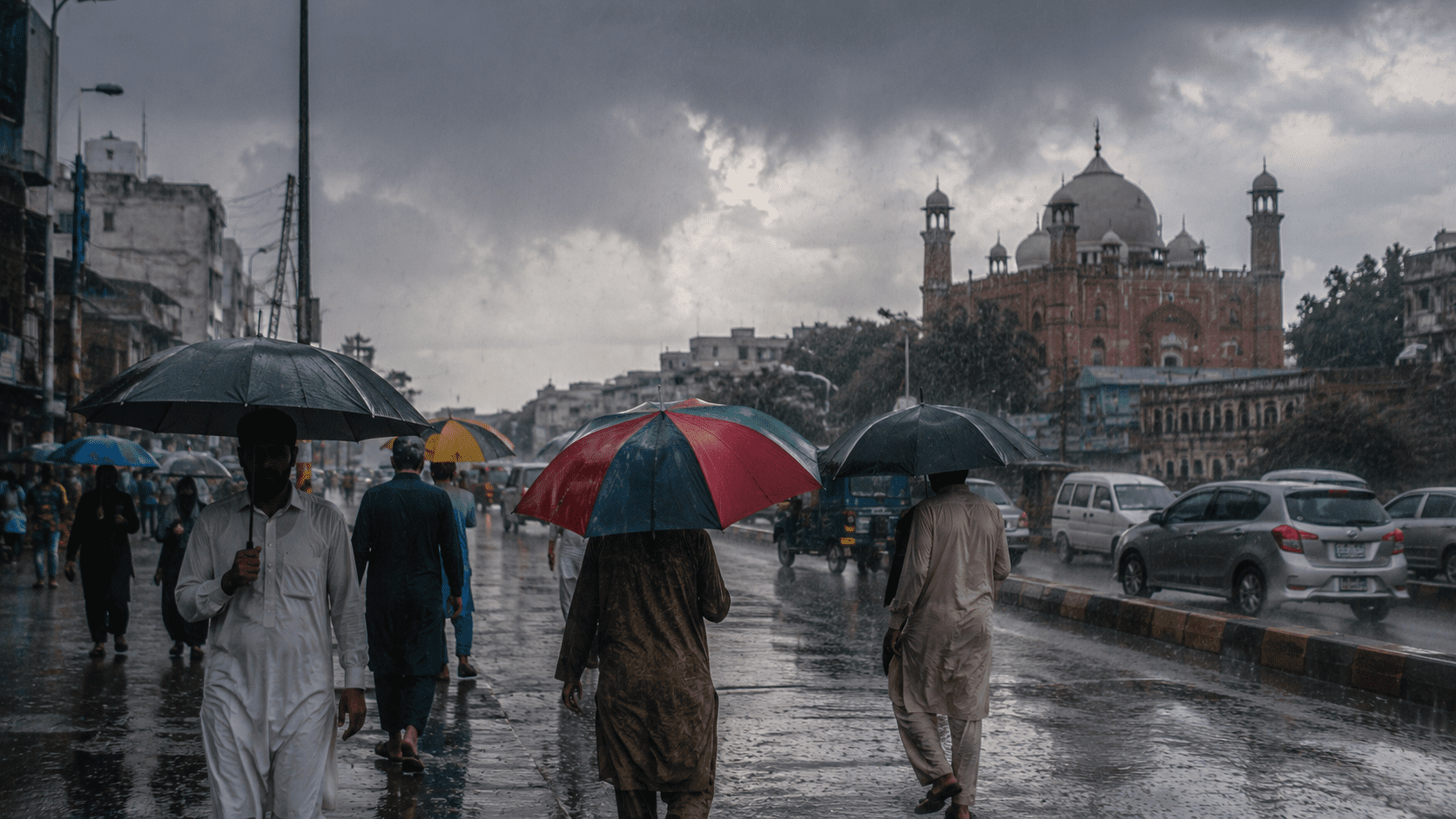
The latest PMD monsoon Pakistan forecast has put the entire country on alert, with the Meteorological Department predicting widespread rainfall, windstorms and thunderstorms beginning in the first week of July. Officials say the seasonal shift will bring much-needed relief from the recent spell of intense heat, but it also carries serious risks of flash flooding, urban waterlogging and landslides in vulnerable regions.
Thank you for reading this post, don't forget to subscribe!This PMD monsoon Pakistan forecast comes as authorities, residents and farmers across the country prepare for what could be a turbulent start to the monsoon season. With memories of past flood disasters still fresh in public memory, the latest advisory has triggered swift government attention and renewed calls for caution.
What the PMD Monsoon Pakistan Forecast Says
According to the official advisory, a westerly weather system is expected to enter the upper parts of the country from June 30, combining with moisture-laden currents from the Arabian Sea that are already penetrating the eastern and central regions. A separate moisture stream from the Bay of Bengal is expected to reach the country’s upper areas by early July, further intensifying rainfall activity nationwide.
The PMD monsoon Pakistan forecast outlines a detailed regional timeline. Azad Jammu and Kashmir, including Muzaffarabad, Rawalakot, Poonch, Bagh and Haveli, is expected to see widespread rain from July 1 to July 6. Khyber Pakhtunkhwa is forecast to receive rainfall between July 1 and July 5, while northern and central Punjab — including Islamabad, Rawalpindi, Lahore, Murree, Attock, Chakwal and Sialkot — will likely experience rain during the same window. Southern Punjab districts such as Multan, Bahawalpur and Dera Ghazi Khan are expected to see intermittent showers slightly later, from July 3 to July 6.
Gilgit-Baltistan is also included in the PMD monsoon Pakistan forecast, with rain and thunderstorms expected from July 1 to July 5 in areas including Skardu, Hunza and Gilgit. Northern Balochistan districts, including Zhob, Sibbi and Naseerabad, are likely to see rainfall between July 1 and July 4, while parts of northern Sindh, including Sukkur, Larkana and Jacobabad, are expected to witness windstorms and thundershowers around July 3 and 4. Notably, Karachi and much of southern Sindh are expected to remain largely dry until at least July 5, according to PMD officials.
Flood and Landslide Risks Highlighted in the Forecast
A central concern raised in the PMD monsoon Pakistan forecast is the heightened risk of flash flooding and landslides in mountainous regions. The department has specifically warned of potential landslides in the vulnerable terrain of upper Khyber Pakhtunkhwa, Gilgit-Baltistan, Murree, Galiyat and Azad Kashmir. Flash flooding is also expected in streams, nullahs and hill torrents across these areas, posing a risk to nearby communities and infrastructure.
Major urban centers have not been spared from the warning either. The PMD has cautioned that low-lying parts of Islamabad, Rawalpindi, Peshawar, Sialkot, Gujranwala, Lahore and Faisalabad could experience urban flooding as drainage systems struggle to cope with intense rainfall. Authorities have urged city administrations to inspect drainage infrastructure and prepare emergency response plans ahead of the spell.
Broader Seasonal Outlook and Climate Context
While this PMD monsoon Pakistan forecast points to an active start to the season, the department’s broader seasonal outlook for June through August suggests overall rainfall could remain near or below normal across much of the country, with northeastern Punjab and northern mountainous regions potentially seeing near-normal to slightly above-normal precipitation. Temperatures are expected to stay above normal nationwide through September, a trend that authorities say could accelerate glacier melting in the north.
This combination of glacier melt and monsoon rainfall raises additional concerns about Glacial Lake Outburst Floods, or GLOFs, particularly in Gilgit-Baltistan and upper Khyber Pakhtunkhwa. Rising water levels in the Indus River system, fed by both meltwater and monsoon rains, could also pose downstream risks during the coming weeks. For families in flood-prone areas, the National Disaster Management Authority has historically issued parallel advisories alongside PMD forecasts, and residents are encouraged to monitor both sources closely.
Safety Advisories and Precautionary Measures
In light of the PMD monsoon Pakistan forecast, officials have issued a series of practical advisories for the public. Authorities have urged that billboards, solar panels and other vulnerable infrastructure be secured or reinforced ahead of expected windstorms. Tourists and travelers have been advised to avoid unnecessary trips to mountainous and flood-prone areas during the forecast period, as roads can become impassable with little warning.
Farmers have also been advised to plan agricultural activities carefully around the expected rainfall and to take precautions to protect livestock and crops from sudden downpours and strong winds. City residents, particularly in low-lying neighborhoods, are encouraged to avoid driving through flooded underpasses and to stay alert to local government updates throughout the spell.
Why This Forecast Matters
Pakistan’s monsoon season is a vital but double-edged climatic event. It replenishes water reservoirs, supports agriculture, and offers relief from extreme summer heat, but it also carries the potential for destructive flooding, as seen in previous years’ devastating monsoon disasters. The PMD monsoon Pakistan forecast serves as an early warning system designed to help authorities and citizens prepare in advance, potentially reducing loss of life and property damage.
Given Pakistan’s vulnerability to climate-related disasters, accurate and timely forecasting plays a crucial role in disaster risk reduction. Readers can track ongoing updates through official channels such as the Pakistan Meteorological Department, as well as continuing coverage from Dawn News, Al Jazeera, and the National Disaster Management Authority.
Read Also: NDMA Flood Alert Pakistan: Nationwide Rain and Landslide Warning Issued Until June 20
Conclusion
The latest PMD monsoon Pakistan forecast signals the start of an active and potentially hazardous monsoon season, with widespread rain expected across nearly every province from the first week of July. While the rains promise welcome relief from the summer heat, the accompanying risks of flash floods, landslides and urban flooding demand heightened vigilance from both authorities and the public. As the system moves across the country in the coming days, staying informed and following official advisories will be essential to navigating the season safely.