
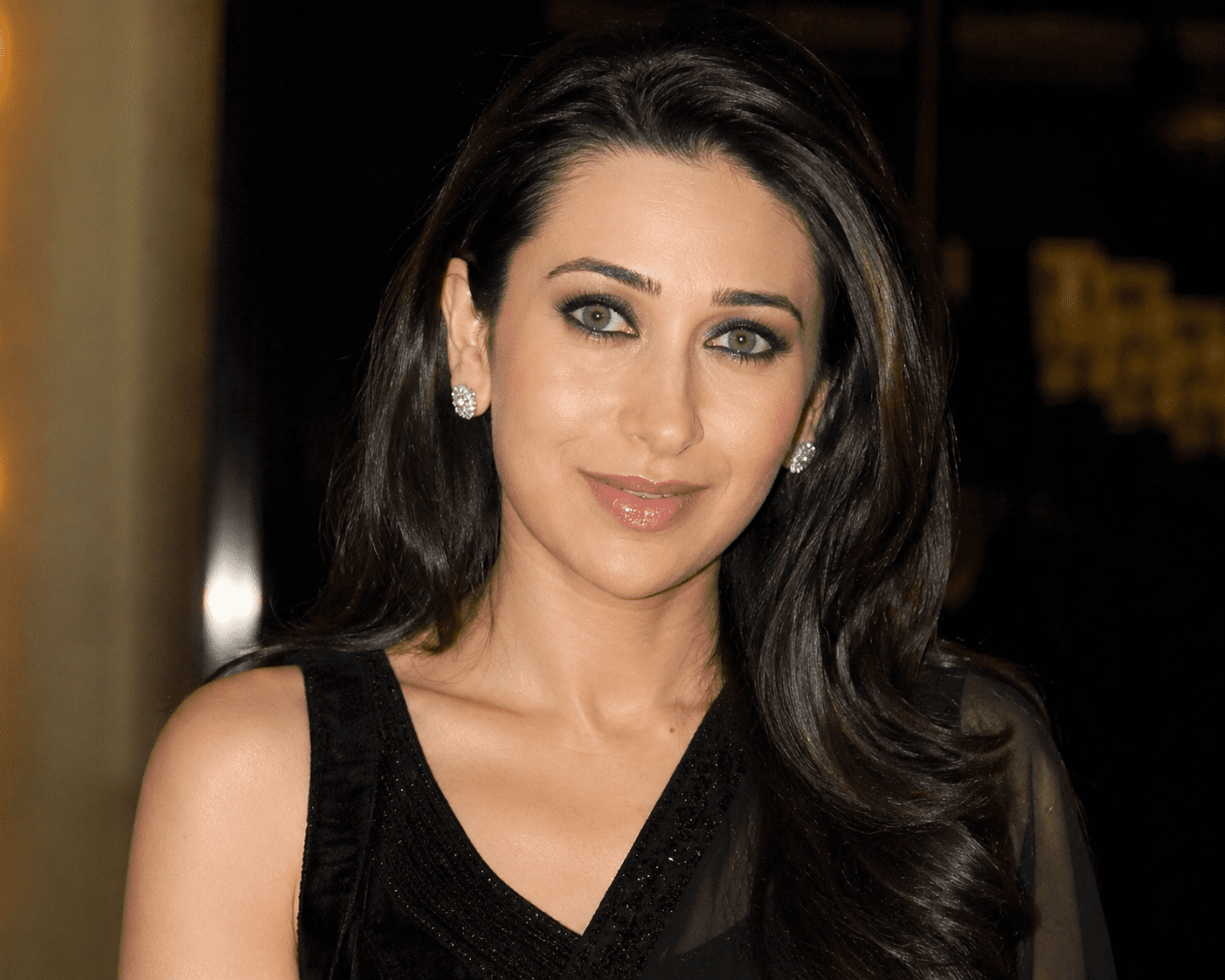
Karisma Kapoor is marking 35 years in Bollywood, a milestone that traces back to June 21, 1991, when her debut film Prem Qaidi hit theatres. The occasion has prompted the actor to look back not just at the films that defined her career, but at how dramatically the craft of filmmaking itself has changed since she first stepped onto a film set as a teenager fresh out of school.
In recent interviews tied to the anniversary, Karisma Kapoor has spoken candidly about the abrupt transition from classroom to film set, the technical realities of acting in the early 1990s, and how she has continued to evolve as an actor well into the streaming era.
A Debut That Came Straight Out of School
Karisma Kapoor was only 16 when she made her acting debut in K Murali Mohana Rao’s musical drama Prem Qaidi, opposite debutant Harish Kumar. The film released just four days before her 17th birthday, marking the start of what would become one of the most recognisable careers among Hindi cinema’s leading actresses of the 1990s.
Reflecting on how quickly the 35 years in Bollywood have passed, Karisma Kapoor has described the transition as sudden and unplanned. “I was straight out of school,” she said, recalling that she had briefly attended junior college before being thrust directly onto the set of her debut film. She has also spoken about remembering the mahurat shot — the ceremonial first shot of a film — even decades later, a detail that speaks to how vividly the early days of her career have stayed with her.
The abrupt shift from education to full-time acting is a recurring theme in how Karisma Kapoor discusses the start of her Karisma Kapoor 35 years journey, underscoring how differently young actors entered the industry in that era compared to today.
The Technical Challenges of Early 1990s Filmmaking
Beyond the personal adjustment of beginning her career as a teenager, Karisma Kapoor has also reflected on how technically demanding filmmaking was during the early years of her 35 years in Bollywood. She has spoken about the differences between performing live on set with sync-sound recording versus dubbing dialogue separately afterward, noting that the authentic emotion of a scene comes through far more naturally when an actor is fully present in the moment of filming, rather than recreating that emotion later in a quiet, artificial studio environment.
This insight reflects a broader shift the Hindi film industry has undergone over the past three and a half decades, as production techniques, sound design, and on-set technology have evolved considerably since Kapoor’s debut.
Building a Bankable Career Through the 1990s
Following her debut, Karisma Kapoor quickly established herself as one of Hindi cinema’s most commercially successful actresses, moving fluidly between comedies, family dramas, romances, and action films. She built a string of box-office hits across genres, including David Dhawan’s comedies Raja Babu, Coolie No. 1, and Hero No. 1, as well as more dramatic and ensemble work such as Raj Kanwar’s Jeet, Dharmesh Darshan’s Raja Hindustani, and Sooraj Barjatya’s family drama Hum Saath-Saath Hain.
Her range during this period — moving between broad comic roles and more grounded dramatic performances — became a defining feature of her early career and helped establish her as one of the most bankable leading actresses of the decade, a reputation that continues to anchor discussions around her 35 years in Bollywood.
A Pause, and a Return to the Spotlight
At the height of her career, Karisma Kapoor stepped back from regular film work following her marriage in 2003. Her screen appearances became less frequent during this period, though she did not disappear from public life entirely. She eventually returned to acting with Vikram Bhatt’s Dangerous Ishhq in 2012, marking the beginning of a new chapter in her long career.
It was in the years that followed, however, that Kapoor truly found a renewed creative footing, particularly with the rise of streaming platforms offering new kinds of roles to established actors from her generation.
Reinventing Herself in the Streaming Era
Kapoor’s web debut came with Mentalhood in 2020, in which she portrayed a modern mother navigating personal and parenting challenges. She has since continued to diversify her on-screen work, appearing in Homi Adajania’s murder-mystery comedy Murder Mubarak and, more recently, headlining Abhinay Deo’s investigative thriller Brown — a role that reflects her continued willingness to take on darker, more layered characters as her career enters its fourth decade.
This pivot toward streaming projects has allowed Kapoor to reach a new generation of viewers while continuing to challenge herself creatively, a contrast to the broader, more commercially driven roles that defined the earlier years of her Karisma Kapoor 35 years career.
Why This Milestone Resonates
Anniversaries like this one offer more than nostalgia; they provide a lens through which to examine how the Hindi film industry itself has transformed. Kapoor’s journey — from a 16-year-old debutant navigating sync-sound filmmaking to a seasoned actor comfortable with streaming-era storytelling — mirrors broader shifts in how Indian cinema is produced, distributed, and consumed.
For audiences who grew up watching her 1990s hits, the milestone is also a reminder of how enduring her on-screen presence has remained, even as the platforms and formats around her have changed dramatically.
Possible Impact and Analysis
Kapoor’s reflections on her 35 years in Bollywood carry relevance beyond personal nostalgia:
- Industry evolution: Her comments on sync-sound versus dubbed performances offer insight into how production techniques have shaped acting craft across generations.
- Representation of legacy actors: Her successful pivot to streaming platforms highlights a broader industry trend of veteran actors finding renewed relevance through OTT content.
- Cultural memory: Milestone retrospectives such as this one help preserve and reintroduce classic-era Bollywood films to younger audiences discovering them for the first time online.
Conclusion
As Karisma Kapoor marks 35 years in Bollywood, her reflections on a debut that came straight out of school, the technical realities of early-1990s filmmaking, and her later reinvention in the streaming era together paint a picture of a career defined by adaptability. From Prem Qaidi to Brown, her journey offers a window into how dramatically Hindi cinema has changed — and how some of its most familiar faces have changed right along with it.
Gulf News — https://gulfnews.com
The Indian Express — https://indianexpress.com
Zoom TV — https://www.zoomtv.com
Bollywood Hungama — https://www.bollywoodhungama.com
Filmfare — https://www.filmfare.com
Recent News
- AJK Election Results Trigger Coalition Rift as PPP Alleges Rigging, PML-N Claims Sweeping Win NEW
- AJK Police Say Banned JAAC Has Become an Armed Group Attacking Police and Security Forces NEW
- AJK Protest Spirals: Four Police Officers Martyred in Violent Clashes NEW
- AJK Security Forces Request Signals Deepening Unrest Ahead of Elections NEW
- Allama Nasir Madni Heart Attack Rumours Denied: What Really Happened NEW
- Apna Ghar Scheme 2026: Pakistan’s Biggest Housing Dream Is Finally Being Unlocked for Millions NEW
- Armed Forces Committed to Eradicating All Forms of Terrorism: Field Marshal NEW
- Asim Munir Turkey Visit Strengthens Pakistan-Turkiye Defence Partnership NEW
- Ashura 2026 Pakistan Confirmed for June 26 — Moon Not Sighted, KP Declares Holiday NEW
- Avengers Doomsday Trailer Sends Marvel Fans Into a Frenzy NEW