

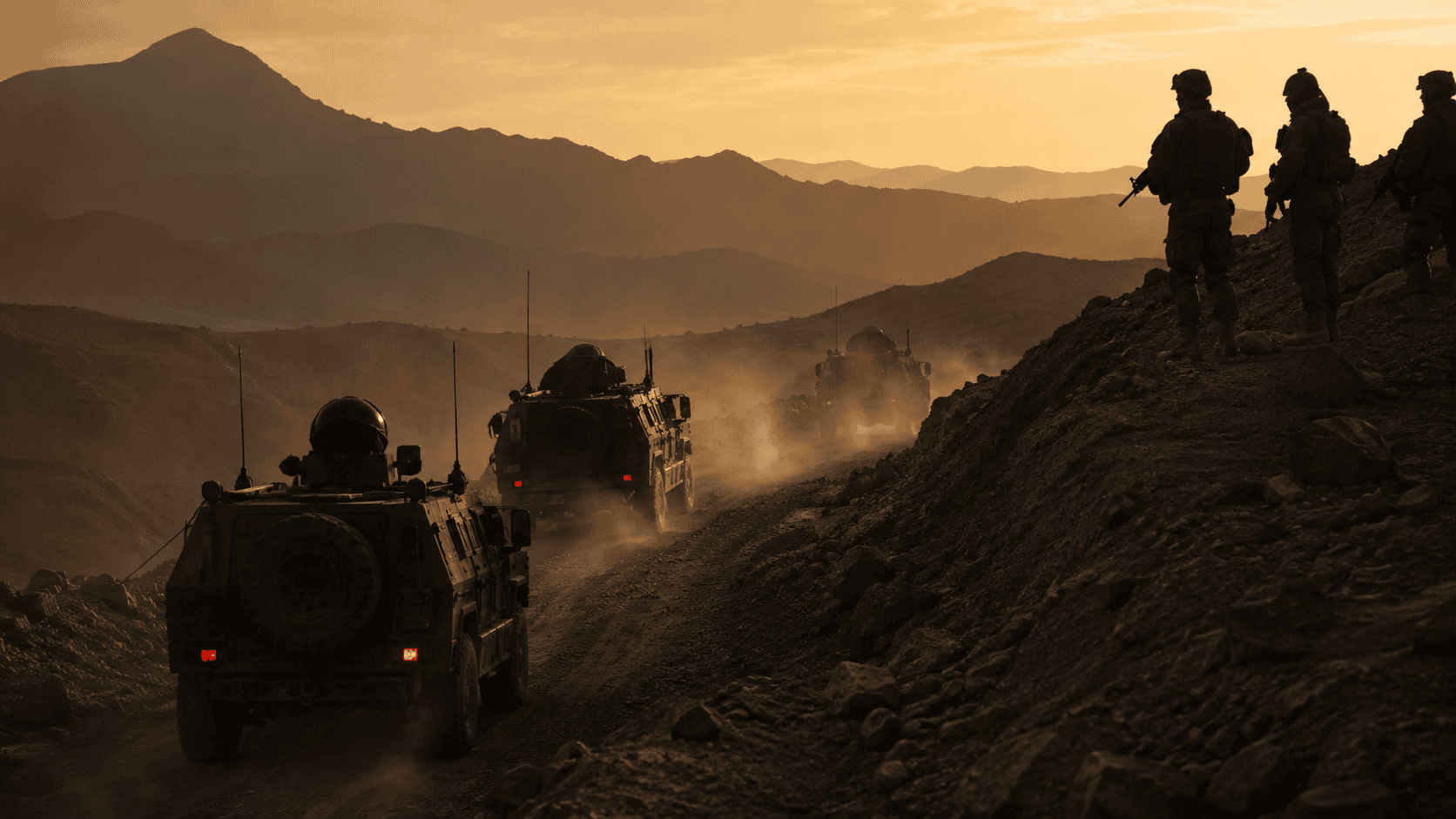
Pakistan’s security forces have killed four more militants in the latest phase of Operation Shaban, the province-wide counterterrorism campaign now in its second week across Balochistan. According to security sources, the latest action took place in the Saran Tangi area, bringing the total number of militants killed specifically under Operation Shaban to 71, while combined operations across the province since July 5 have eliminated 109 militants in total.
Thank you for reading this post, don't forget to subscribe!What Is Operation Shaban?
Operation Shaban is a joint counterterrorism campaign launched by the Pakistan Army, Frontier Corps (FC) Balochistan and provincial police following a deadly militant assault on the Mangi Dam Police Post in Ziarat district on the night of July 6. The operation combines coordinated ground offensives with helicopter-backed aerial support, targeting militant hideouts across Balochistan’s rugged and mountainous terrain. Officials describe Operation Shaban as an intelligence-led campaign that will continue “until the last terrorist is eliminated” from the province.
Background: The Attack That Triggered the Operation
The origins of Operation Shaban trace back to a coordinated assault on a police checkpost guarding Pumping Station No. 3 of the Mangi Dam project — a multi-billion-rupee water supply scheme designed to ease chronic shortages in Quetta. Militants overran the outpost on July 6, and in the hours that followed, surviving policemen were reportedly taken hostage.
According to Inter-Services Public Relations (ISPR) Director General Lieutenant General Ahmed Sharif Chaudhry, all 18 abducted officers were later found to have been killed by their captors, bringing the toll from that single incident to 27 policemen. Days later, a separate ambush on an army convoy in Lasbela district’s Bela-Winder area claimed the lives of 11 more soldiers. Together, these attacks left a total of 42 security personnel and civilians dead within a four-day span, prompting the Balochistan government to launch a formal inquiry and suspend the Superintendent of Police for Ziarat.
Latest Developments in Operation Shaban
The newest phase of Operation Shaban saw four militants killed in the Saran Tangi area, according to security sources cited by state media. Officials said the operation continues to rely on coordinated ground troops and helicopter-backed air support to track and neutralise militant hideouts scattered across Balochistan’s difficult terrain. Security forces also reported recovering a substantial cache of weapons from those killed, including M4 rifles, submachine guns, rocket launchers and mobile phones — equipment officials say points to organised militant networks operating in the region.
Federal Interior Minister Mohsin Naqvi praised the security forces involved in Operation Shaban, stating that their actions reflect the country’s commitment to protecting national security and asserting that “there is no place for terrorist elements in Pakistan.”
Wider Security Context in Balochistan
Operation Shaban unfolds against the backdrop of a broader surge in militant violence across Balochistan and neighbouring Khyber Pakhtunkhwa. According to the Islamabad-based Pakistan Institute for Conflict and Security Studies, 2025 was Pakistan’s deadliest year in over a decade in terms of conflict-related fatalities. Militant groups active in the region, including factions Pakistani authorities refer to as “Fitna al-Khawarij,” have repeatedly targeted security installations, infrastructure projects and personnel across the province.
Pakistani officials have alleged that elements behind recent attacks receive support from across the Afghan border, a claim Afghan authorities have consistently denied. Some Pakistani leaders, including the prime minister, have also linked recent violence to alleged external facilitation — assertions that remain contested and have not been independently verified. Readers should treat such claims as official statements pending independent confirmation.
Local Response and Accountability Measures
The violence tied to the origins of Operation Shaban triggered public protests in Ziarat and Quetta, with residents blocking highways and demanding accountability over security lapses at the Mangi Dam post. Balochistan Chief Minister Sarfraz Bugti negotiated directly with protesters to end the sit-ins, while a provincial inquiry committee was formed to examine whether negligence or operational failures contributed to the scale of the losses. That committee has been tasked with reviewing security protocols at critical infrastructure sites across the province and submitting recommendations within 15 days.
Impact and Analysis
The continuation of Operation Shaban reflects the scale of the security challenge facing Balochistan, a province that has experienced decades of separatist insurgency alongside violence from Islamist militant factions. While security officials tout the rising militant death toll as evidence of operational success, independent verification of casualty figures in remote conflict zones remains difficult, and rights groups have historically urged caution in accepting unverified official tallies at face value.
For residents of Balochistan, the immediate concern remains safety and the protection of critical infrastructure like the Mangi Dam project, which is intended to resolve long-standing water shortages in Quetta. For Islamabad, Operation Shaban represents a test of the state’s ability to respond decisively to coordinated militant violence while maintaining public confidence in security institutions already facing scrutiny over the Mangi Dam post’s initial vulnerability.
Read Also:Pakistan Undocumented Afghans Face Arrest as New Deadline Looms
Conclusion
As Operation Shaban enters its second week, Pakistani security forces continue pressing operations across Balochistan’s mountainous districts. With the militant toll now standing at 71 under the operation itself — and 109 across all related actions since July 5 — officials maintain the campaign will not stand down until militant networks in the province are dismantled. The coming weeks, including the findings of the provincial inquiry committee, will likely shape both the operational and political fallout from one of Balochistan’s deadliest periods of violence in recent years.
Inter-Services Public Relations (ISPR)
Get updates like this on WhatsApp before anywhere else — join our Channel👉[https://whatsapp.com/channel/0029Vb8fffCKrWQzEVBQ6v00]